
Hair & Scalp Education
What Is Trichology? A Guide to Hair & Scalp Health
Trichology is the study of the hair and scalp. It focuses on understanding changes such as hair loss, thinning, shedding, breakage, itching, flaking, excess oil, and other scalp concerns so the right next step can be identified.
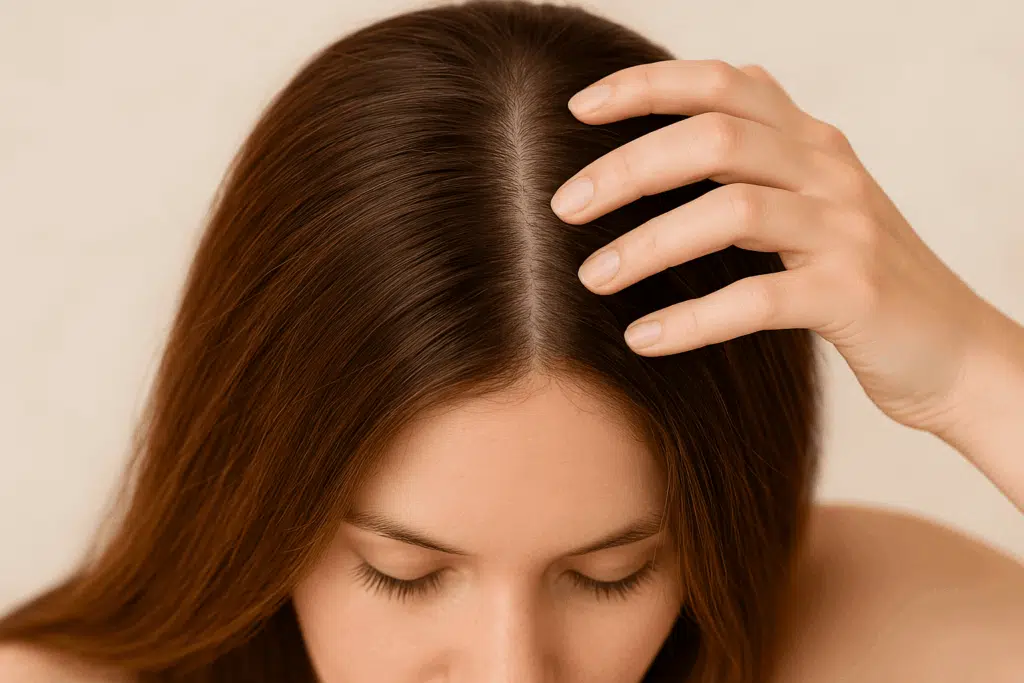
Trichology at a Glance
- Trichology is the study of hair and scalp health.
- A trichologist is a trained hair and scalp specialist who evaluates patterns and contributing factors.
- Trichology can help investigate concerns such as hair loss, thinning, shedding, breakage, dandruff, itching, excess oil, and flaking.
- Trichologists do not medically diagnose disease or prescribe medication.
- When medical testing, diagnosis, or prescription treatment is needed, a dermatologist or other medical provider is appropriate.
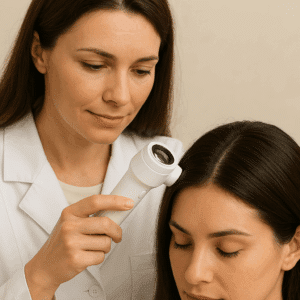
What Does a Trichologist Do?
A trichologist evaluates the condition of the hair and scalp, looks for patterns, and considers factors that may be contributing to changes.
A trichology evaluation may consider:
- Hair loss and thinning patterns
- Shedding and breakage
- Scalp itching, flaking, oiliness, or irritation
- Product reactions or sensitivity
- Hair-care and styling habits
- Lifestyle, stress, nutrition, health history, and other contributing factors
Looking for a trichologist in Cleveland? This page explains what trichology is. To learn how our center applies a trichology-based approach for local hair and scalp concerns, visit our trichologist in Cleveland page.
Trichologist vs. Dermatologist: What Is the Difference?
Both can play an important role in hair and scalp care, but they serve different purposes.
A Trichologist
Focuses specifically on hair and scalp concerns, evaluates patterns and contributing factors, reviews hair-care practices, and provides non-medical recommendations and ongoing support.
A Dermatologist
Is a medical doctor who can diagnose disease, order medical testing, perform procedures, and prescribe medications when a hair or scalp concern requires medical treatment.
Trichology can complement dermatology. When something appears to require medical diagnosis or treatment, referral to a dermatologist or other medical provider is an important part of responsible care.
What Hair and Scalp Concerns Can Trichology Help Evaluate?
Hair Concerns
- Thinning or reduced density
- Widespread or increased shedding
- Hair breakage or weakened hair shafts
- Changes following illness, stress, pregnancy, or other life events
- Changes in texture, strength, or manageability
Scalp Concerns
- Dandruff and visible flaking
- Itchy, dry, or oily scalp
- Redness or irritation
- Product buildup or residue
- Recurring scalp discomfort
Why Trichology Matters
Hair and scalp changes do not always have one obvious cause. What looks like a hair problem may involve the scalp, hair-care routine, styling practices, lifestyle factors, health history, or several factors working together.
Trichology takes a broader look at those patterns instead of focusing only on the visible symptom. That can help determine whether the next step is a change in care, a professional scalp program, further monitoring, or referral for medical evaluation.
Correction, Prevention, and Ongoing Scalp Care
Trichology is not only about responding to a problem after it becomes noticeable. It can also help identify changes early and build better long-term hair and scalp habits.
Correction may focus on:
- Managing excess oil, buildup, or flaking
- Improving scalp-care habits
- Reducing avoidable breakage
- Supporting a healthier environment for growing hair
Prevention may focus on:
- Recognizing early changes in density or shedding
- Managing age-related changes in hair and scalp
- Reducing avoidable irritation and buildup
- Building consistent long-term routines
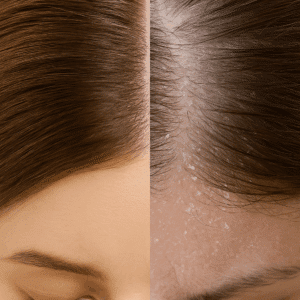
How We Use Trichology at Hair & Scalp Specialists
Our ScalpCheck® applies trichology principles to look more closely at what is happening with your hair and scalp and what may be contributing to the changes you are noticing.
- High-resolution scalp imaging
- Hair and scalp condition review
- Discussion of lifestyle, stress, health history, and other contributing factors
- Review of products and hair-care routines
- Identification of visible patterns or scalp concerns
- Personalized recommendations for next steps
- Referral to dermatology or another medical provider when appropriate
When a Hair Solution Consultation May Be the Better Fit
Trichology helps you better understand changes in the hair and scalp. But sometimes the concern is less about what is happening at the scalp level and more about visible coverage, density, or feeling like yourself again.
A Hair Solution Consultation may be the better starting point if you are interested in custom toppers, wigs, or other personalized options designed to restore the appearance of fuller hair.
- Visible thinning or low density
- Areas where scalp is showing more than before
- Interest in custom toppers, wigs, or fuller-hair options
- Hair loss that is affecting confidence, styling, or daily life
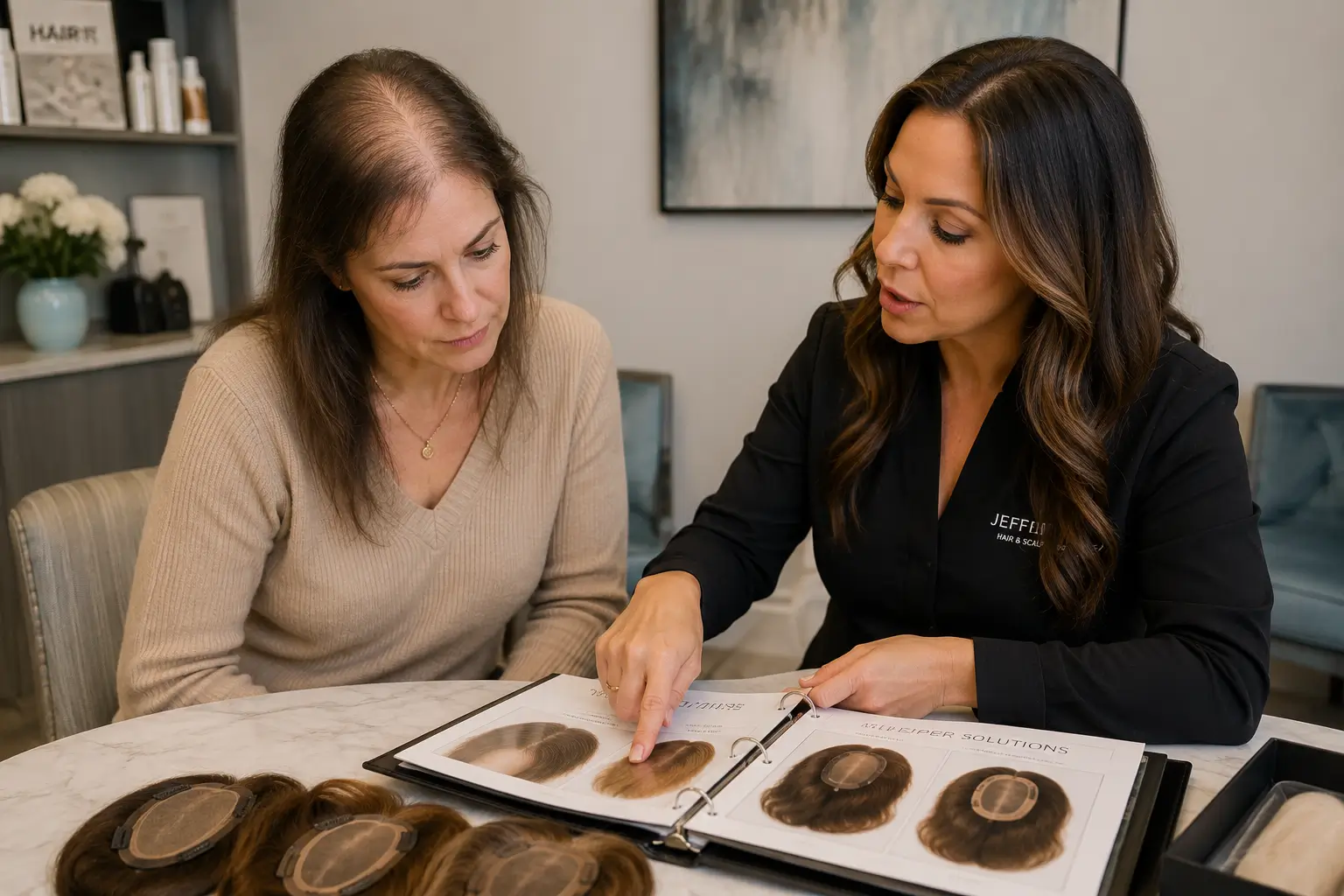
A Simple Way to Think About It
Choose ScalpCheck® when you want to better understand shedding, itching, flaking, oil imbalance, scalp discomfort, or unexplained hair changes.
Choose a Hair Solution Consultation when your main concern is coverage, density, styling confidence, or exploring custom hair options.
Looking for a Trichologist in Cleveland?
Trichology explains the discipline. Our local trichologist page explains how The Hair & Scalp Specialists applies that approach through ScalpCheck® for shedding, thinning, itching, flaking, oiliness, buildup, and other hair and scalp concerns.
If you are trying to decide where to start, visit our Cleveland trichologist page, or learn more about ScalpCheck® as the evaluation step.
Frequently Asked Questions About Trichology
Is trichology medical?
Trichology is a non-medical field focused specifically on hair and scalp health. A trichologist can evaluate patterns and contributing factors, but does not replace medical diagnosis or treatment.
Can a trichologist diagnose alopecia or scalp disease?
A trichologist can recognize patterns that may warrant further investigation, but a medical diagnosis of alopecia, skin disease, infection, or another medical condition should come from an appropriate medical provider.
When should I see a trichologist?
Consider a trichology evaluation when you notice ongoing shedding, thinning, breakage, itching, flaking, excess oil, recurring scalp discomfort, or changes that are not improving with your usual hair-care routine.
Do I need a trichologist or a dermatologist?
A trichologist can be a helpful starting point for understanding hair and scalp changes. A dermatologist is the right provider when medical diagnosis, prescription medication, laboratory testing, biopsy, or treatment of a skin disease is needed.
Can trichology help with hair loss?
Yes. Trichology can help you better understand the pattern of hair loss or shedding, what may be happening at the scalp level, and which next steps may make sense. For some clients, that may include professional scalp treatments, at-home scalp care, product or routine changes, continued monitoring, or referral to a dermatologist when medical evaluation is needed.
Related Hair & Scalp Resources
Start With a Closer Look at Your Hair & Scalp
If you are dealing with thinning, shedding, itching, flaking, oil imbalance, or another unexplained change, ScalpCheck® provides a more detailed look at what may be happening and what steps may make sense next.