
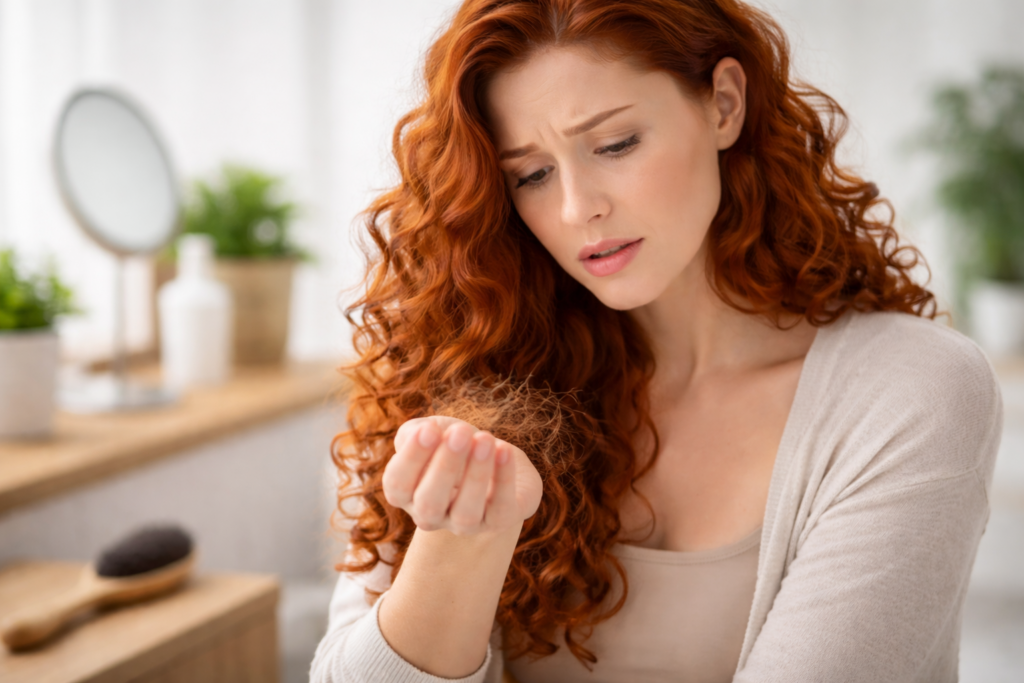
If you’ve recently noticed more hair in your brush, shower drain, or on your pillow, you’re not alone. Many people go through periods where their hair seems to shed more than usual, and it can quickly become concerning.
The reality is that some hair shedding is completely normal. However, when the amount of shedding suddenly increases or continues longer than expected, it may be a sign that something is affecting the natural hair growth cycle.
If shedding continues or you begin to notice thinning areas, exploring hair loss solutions in Cleveland may help you better understand what options are available.
Understanding the most common causes of hair shedding can help you determine whether what you’re experiencing is temporary—or whether it may be time to take a closer look at your scalp health.
 What Is Normal Hair Shedding?
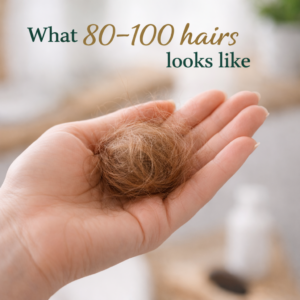 What Is Normal Hair Shedding?
Hair grows in a cycle that includes three main phases: growth, rest, and shedding.
At any given time, most of your hair is actively growing. However, a small percentage of hairs naturally shift into the shedding phase each day. Because of this process, it is considered normal to lose between 80 and 100 hairs per day.
Most of the time this shedding goes unnoticed. But when more hairs enter the shedding phase at the same time, it can suddenly feel like you’re losing much more hair than usual.
1. Seasonal Hair Shedding
One of the most common causes of increased hair shedding is seasonal shedding.
Changes in daylight, temperature, and environmental conditions can influence the hair growth cycle. As the seasons change, particularly in spring and fall, more hair follicles may shift into the resting phase of the cycle.
This often leads to increased shedding a few weeks later.
For many people, seasonal shedding is temporary and resolves on its own as the hair cycle stabilizes. You can learn more about this in our article about seasonal hair shedding.
2. Stress or Illness (Telogen Effluvium)
 2. Stress or Illness (Telogen Effluvium)
Physical or emotional stress can disrupt the hair growth cycle.
A condition called telogen effluvium occurs when a larger number of hair follicles enter the shedding phase at the same time. This can be triggered by events such as:
- Illness or infection
- Surgery
- Emotional stress
- Significant weight loss
- Hormonal changes
One important thing to understand about telogen effluvium is that shedding usually begins several weeks or even months after the triggering event. Because of this delay, many people struggle to connect the shedding to its original cause.
3. Hormonal Changes
Hair follicles are sensitive to hormonal changes in the body.
Fluctuations in hormones can shorten the growth phase of the hair cycle and cause increased shedding or thinning.
Examples of hormonal triggers include:
- Postpartum changes
- Menopause
- Thyroid imbalances
- Hormonal shifts related to medications
In some cases, hormonal changes may lead to temporary shedding, while in others they may contribute to longer-term thinning patterns.
4. Scalp Conditions
Healthy hair growth starts with a healthy scalp.
Conditions such as inflammation, excess oil buildup, dandruff, or irritation can interfere with the environment needed for strong hair follicles.
When the scalp is not functioning properly, it can lead to:
- Itching
- Flaking
- Buildup around follicles
- Increased shedding
Addressing scalp health is often an important first step in supporting stronger hair growth. If you experience persistent irritation or itching, you may also find our article on itchy scalp causes helpful.
5. Hereditary Hair Loss
 5. Hereditary Hair Loss
Another possible reason hair may appear to be shedding more than usual is hereditary hair loss, also known as androgenic alopecia.
Unlike temporary shedding, hereditary hair loss typically develops gradually and may appear as:
- A widening part line
- Thinning on the crown
- Decreased overall hair density
If hereditary hair loss is contributing to shedding, early evaluation can help determine appropriate treatment options.
6. Nutritional Changes
Hair growth requires a variety of nutrients to support the follicle during the growth phase.
Changes in nutrition—especially those involving iron, protein, vitamin D, or zinc levels—can affect hair density and strength.
Rapid diet changes or significant weight loss may also trigger temporary shedding as the body adjusts.
7. Changes in Hair Care or Product Use
Sometimes increased shedding may be related to changes in hair care habits.
Examples include:
- New hair products
- Excessive heat styling
- Harsh chemical treatments
- Aggressive brushing
These factors can weaken the hair shaft or irritate the scalp, which may increase the amount of hair shed during daily styling or washing.
When Hair Shedding May Be a Concern
Although some shedding is normal, certain signs may indicate that a closer evaluation is needed.
You may want to consider a professional evaluation if you notice:
- Shedding lasting longer than several weeks
- Visible thinning areas
- A widening part line
- Slower regrowth
- Increased scalp irritation
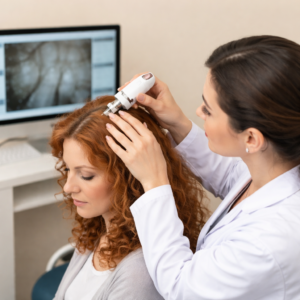
How a ScalpCheck® Can Help Identify the Cause
At Jeffrey Paul’s Hair & Scalp Specialists, we use ScalpCheck®, a microscopic scalp evaluation, to better understand what may be affecting your hair growth cycle.
A ScalpCheck® evaluation allows us to assess:
- Scalp condition
- Follicle activity
- Oil and hydration levels
- Signs of inflammation or buildup
This detailed evaluation helps determine whether hair shedding is seasonal, temporary, or related to another scalp condition.
Exploring Hair Solutions if Thinning Has Progressed
If hair thinning has already progressed and you are exploring ways to restore fullness, a Hair Solution Consultation can help determine whether options such as custom wigs, hair toppers, or other solutions may be appropriate.
These consultations allow our team to recommend personalized options designed to restore natural-looking fullness while protecting existing hair.
Final Thoughts
Experiencing more hair shedding than usual can feel unsettling, but in many cases it is temporary and part of the natural hair cycle.
The key is understanding what may be causing the shedding and taking the appropriate steps to support scalp health and hair growth.
If you are unsure whether your hair shedding is normal or related to another issue, a professional scalp evaluation can provide valuable insight and help guide the next steps toward healthier hair.
Because increased hair shedding is a common concern, here are answers to a few frequently asked questions about hair loss and the hair growth cycle.
Hair Shedding FAQ
Is it normal for hair to fall out every day?
Yes. Most people lose between 80 and 100 hairs per day as part of the normal hair growth cycle. Because hair sheds gradually throughout the day, it is often most noticeable when brushing, washing, or styling the hair.
Why is my hair falling out more than usual?
Increased shedding can happen for many reasons including seasonal changes, stress, illness, hormonal shifts, scalp conditions, or nutritional changes. In many cases shedding is temporary, but if it continues for several weeks or is accompanied by thinning, it may be helpful to evaluate your scalp health.
How long does hair shedding usually last?
Temporary shedding often lasts several weeks before the hair cycle stabilizes. However, shedding that continues longer than two to three months, or that results in visible thinning, may indicate an underlying scalp or hair growth issue.
When should I have my scalp evaluated?
If shedding continues longer than expected, increases suddenly, or is accompanied by visible thinning, widening part lines, or scalp irritation, a professional scalp evaluation can help determine what may be affecting your hair growth cycle.