Why Doesn’t My Conditioner Actually Hydrate or Strengthen My Hair?

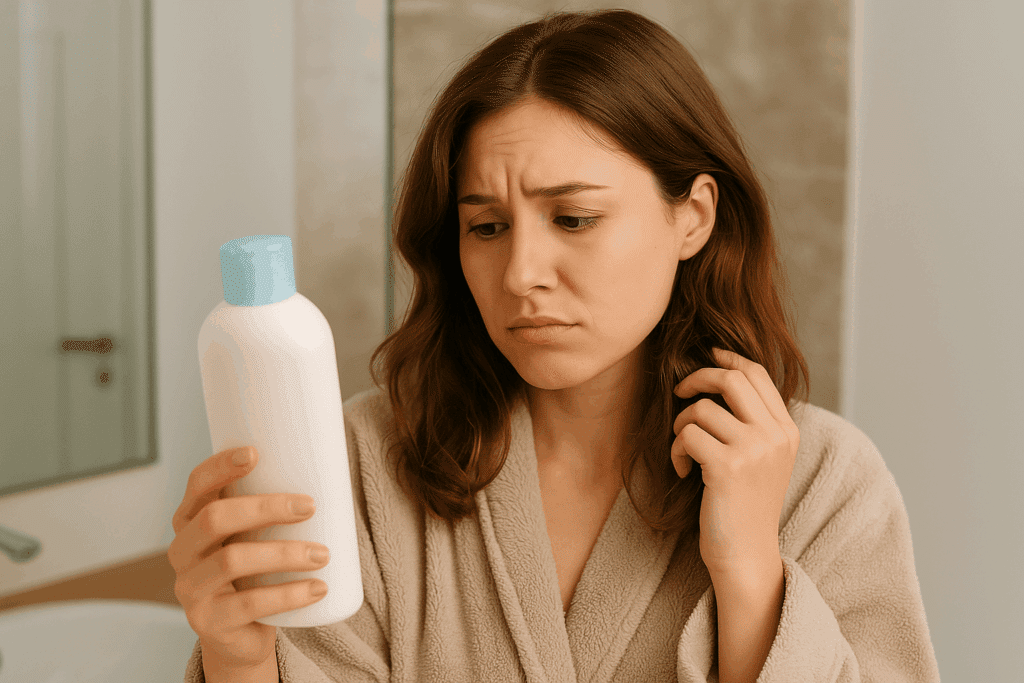
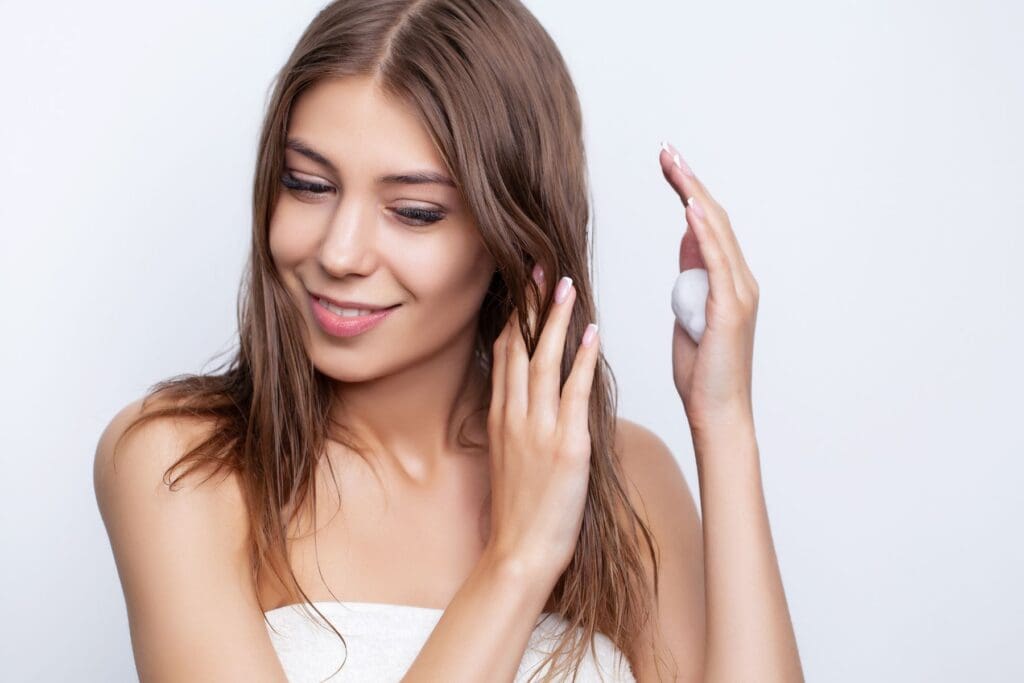
A woman wearing a bathrobe stands in a bathroom, looking disappointedly at a generic white conditioner bottle while touching her hair, suggesting the product is not working for her.

If you’ve ever stepped out of the shower feeling like your hair still feels dry, brittle, or just “meh,” you’re not alone. One of the most common things people search for today is:

“Why doesn’t conditioner actually hydrate my hair?”
“Why doesn’t my hair feel stronger even though I use conditioner?”

Here’s the truth:
Most conditioners only coat the outside of the hair. They make it feel temporarily soft, but they don’t deliver real hydration or internal repair. That’s why dryness, breakage, and lack of shine still show up—no matter how often you condition.

Let’s break down why this happens… and what to use instead if you want softness and strength that lasts.

How Often Should You Shampoo Your Hair Topper? (Hint: More Than You Think!)

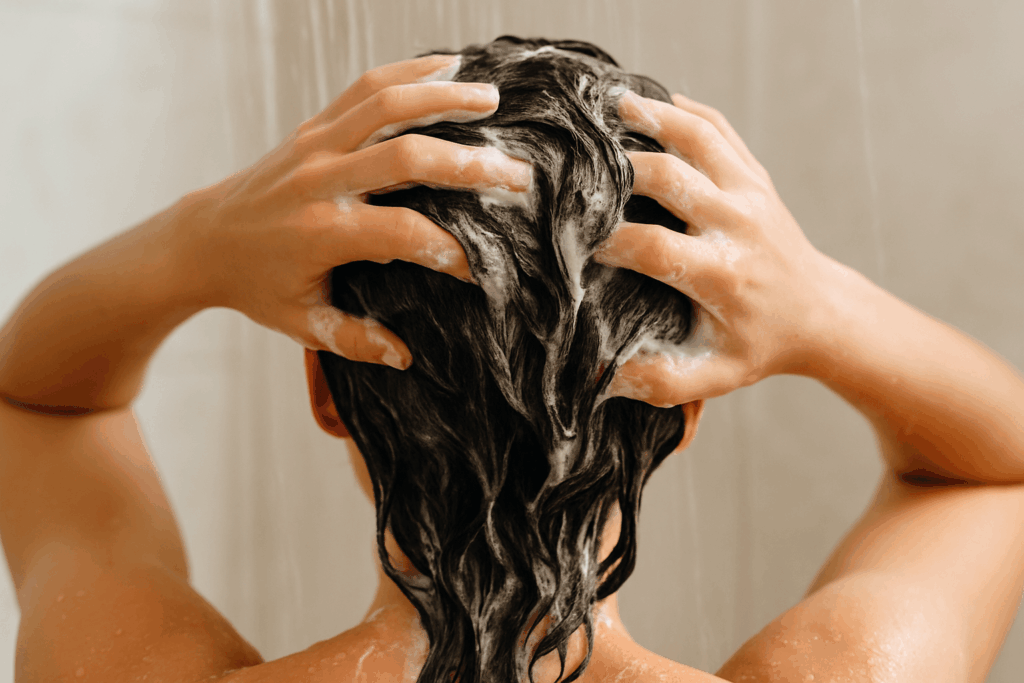
Washing a hair topper in the shower with shampoo lather for scalp health and topper care
We’ve been seeing a trend lately: more scalp issues in our guests who wear toppers and hair systems. One of the biggest culprits? Not shampooing often enough.

Your topper may look amazing, but it doesn’t come with a “self-cleaning” button (we wish!). The truth is, your scalp still sweats, produces oils, and sometimes goes into overdrive thanks to stress, diet, or hormones. Add in the styling products we all love to use — hairspray, texture spray, gels, or mousse — and you’ve got even more residue sitting on both the topper hair and your scalp.

If this scalp buildup isn’t washed away, it can leave the hair looking dull, cause tangling, and irritate the scalp. Left unchecked, scalp buildup can snowball into oily dandruff, itchiness, and even cause your topper attachment to slip.

At the bare minimum, shampoo once a week. But for a healthier scalp (and a topper that looks fresher for longer), we recommend washing two times per week or more with the right products.

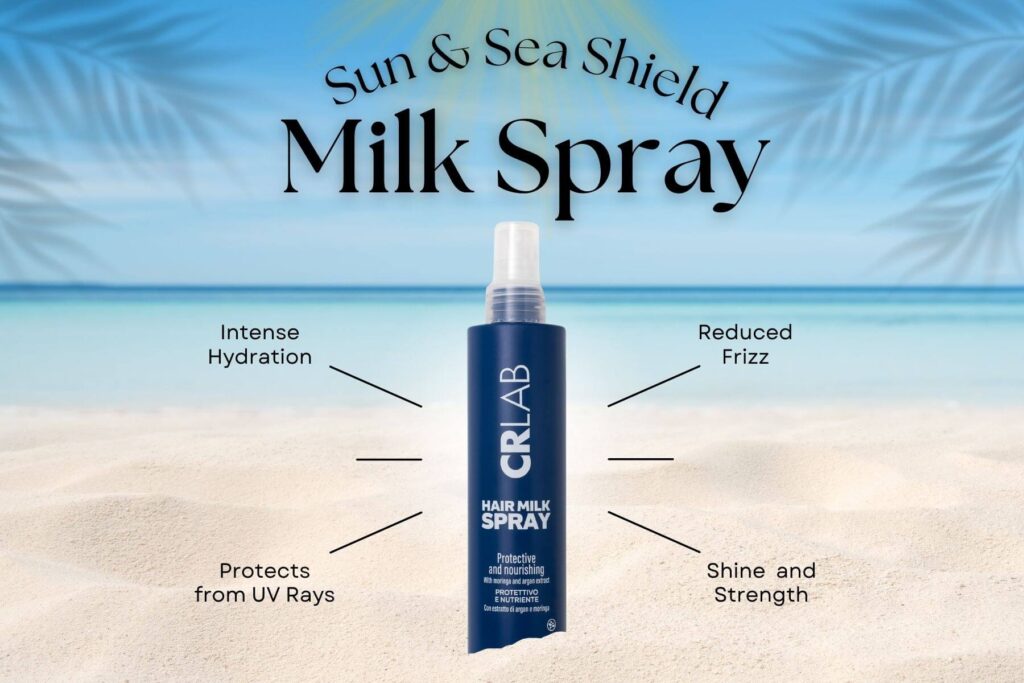
Hair’s Sun & Sea Protector: CRLab Milk Spray!

Summer’s here, and that means sunshine, beach days, and endless fun! But hold on, all that sun exposure can wreak havoc on your hair. Dryness, frizz, and split ends – not exactly the beachy look you were going for, right?

We know healthy hair is happy hair. That’s why we have the ultimate summer sidekick: CRLab Milk Spray. This leave-in conditioner is a powerhouse of natural ingredients designed to nourish, protect, and transform your locks, leaving them beach-ready and beautiful.

Unleash Your Hair’s Inner Strength

CRLab Milk Spray goes beyond just a quick fix. It’s a complete hair care solution packed with benefits:

Featherweight Design That Packs A Powerful Punch!

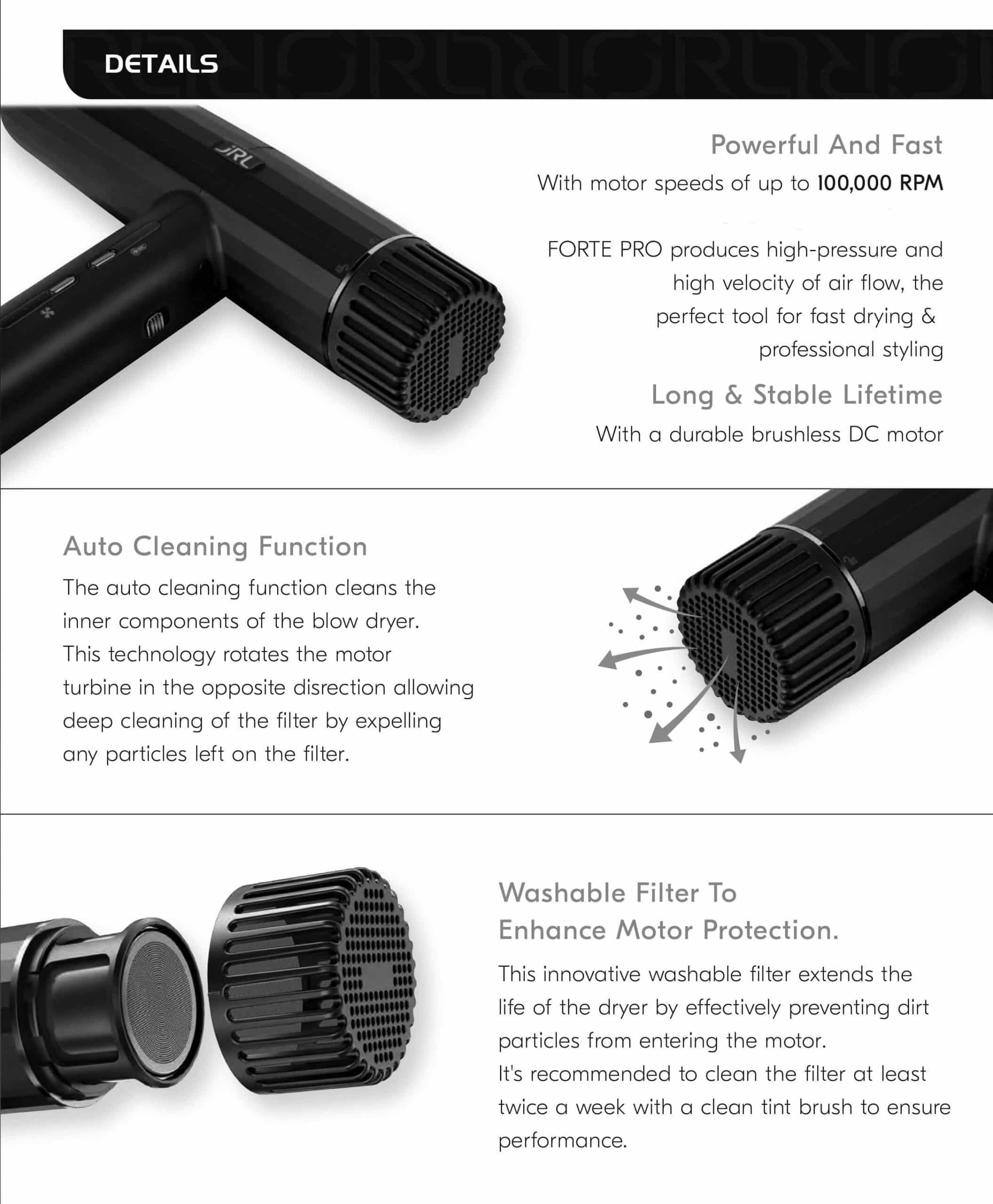
Introducing the JRL Pro Forte Dryer: Salon Results at Home, Effortlessly

Get ready to experience a whole new level of hair drying with the JRL Pro Forte Dryer! This innovative tool is designed to bring salon-quality results right to your bathroom.

Powerful Performance, Healthy Results

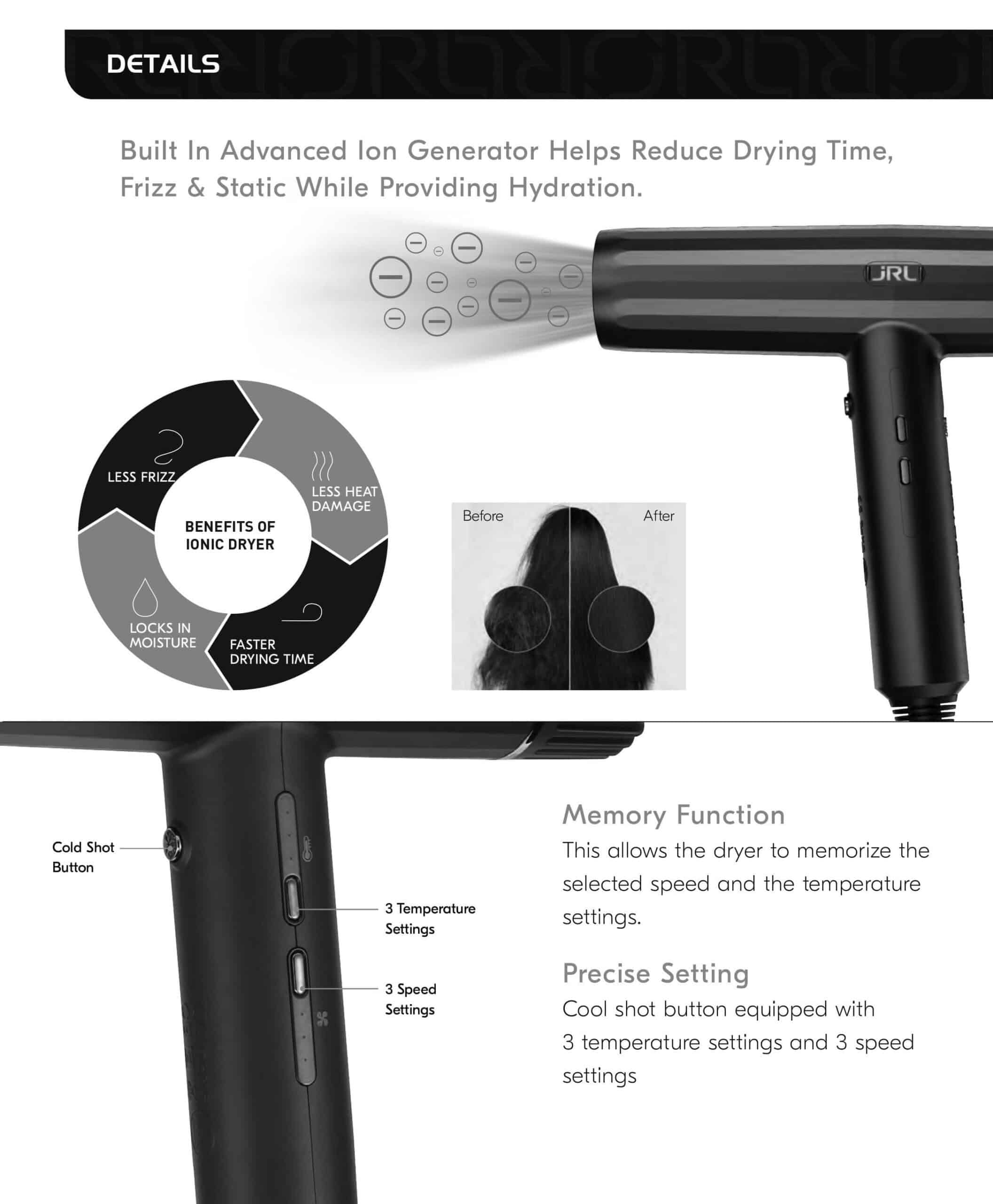
The JRL Pro Forte Dryer boasts a super-fast motor that dries hair quickly and efficiently, without sacrificing healthy hair. Its advanced ionic technology combats frizz and static, leaving your hair smooth, shiny, and irresistibly manageable.

Lightweight Design, Big Impact

Don’t let its impressive power fool you – the JRL Pro Forte Dryer is a featherweight champion! Weighing in at just under 1lb, it’s incredibly comfortable to use and perfect for travel. It even comes with a diffuser and styling nozzles for endless styling possibilities.

Our Secret’s Out!


Our team has been using the JRL Pro Forte Dryer on clients for months now, and it’s quickly become a fan favorite! They love the healthy results and the ease of use. We’re thrilled to finally announce that these dryers will be available for purchase this month! Come experience the difference for yourself – we know you’ll love it!

5 Causes of Hair Color Fading

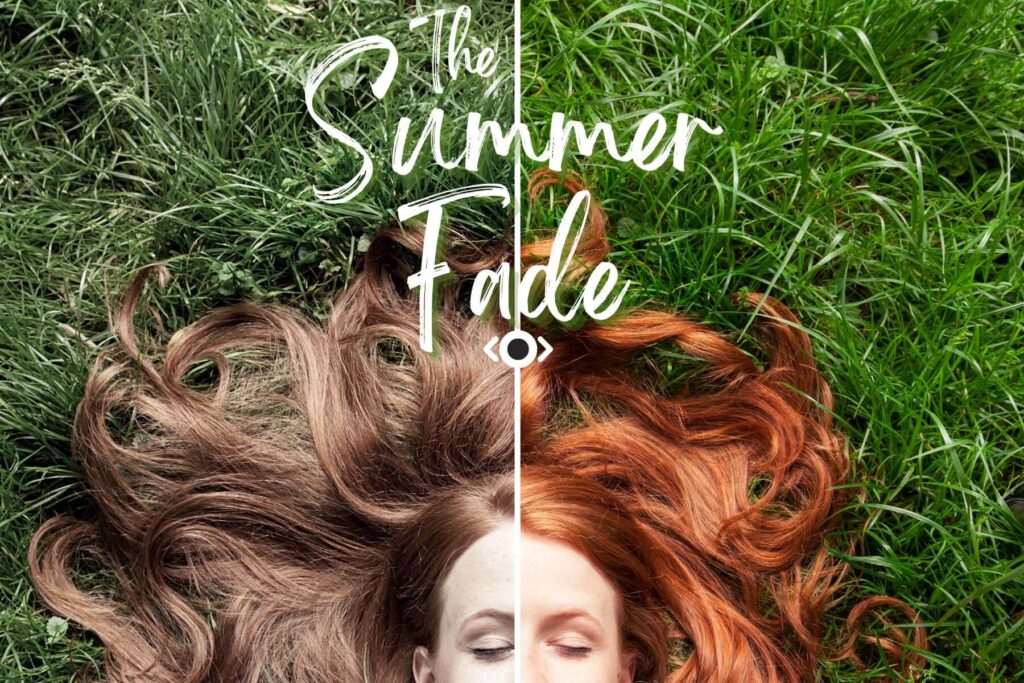
Summer faded hair

The end of summer is always a bittersweet time. Warm weather begins cooling off, the pools are closing, and the beaches don’t have quite as many faces on them. Those summer activities are ones to remember, but they can be remembered in the wrong way when it comes to your hair and how that summer fun can leave your hair a discolored mess.

What is a Glossing?

A Hair Glossing is a quick add-on service that refreshes color that has faded or oxidized by depositing color and resealing the hair cuticle, allowing hair to have a more natural, rich tone and healthy feel vs. the faded, unnatural look and unhealthy feel.

A Hair Glossing is recommended after prolonged sun exposure (like after the summer months) or every three months to help keep hair looking and feeling great and extend the life of healthy hair. One of our hair specialists can also make recommendations on when hair is beginning to oxidize and when a Hair Glossing will make the most impact!


What Causes Hair To Fade or Oxidize?

Is a heat protectant important for my hair?

Is a heat protectant important for my hair?Heat Protectant Vital for Hair, We are in the middle of summer, which means sun, pool, and lots of ice cream cones! No one likes a melted ice cream cone, but it is replaceable, but when it comes to melted hair that’s permanent. It raises the question, Do you need a heat protectant for your hair?

In today’s world, sunscreen is a must for anyone who wants to go out in the sun. Sunscreen keeps the skin protected against the heat of the sun. In the same way, you should never…NEVER… place heat on hair without some form of heat protectant. In a sense, heat protectants are hair’s sunscreen for blow dryers and hot tools. Without them, your hair risks being damaged.

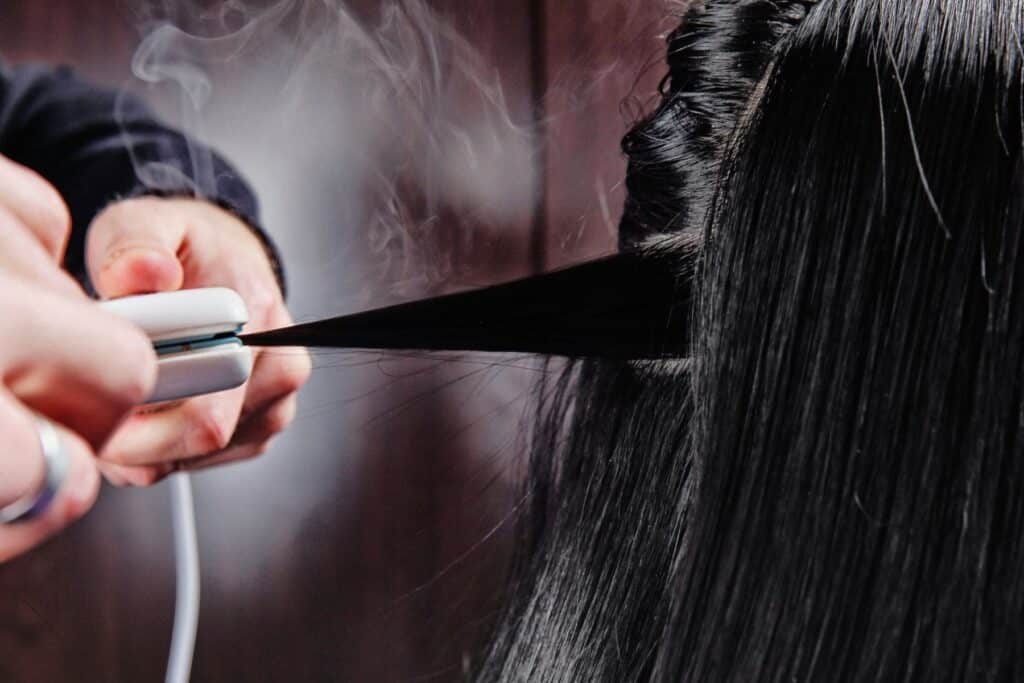
Blow dryers, straighteners, and curling irons can be dangerous sources of heat for hair because they have the potential to burn the hair and strip away its natural oils and moisture. This can make hair dry, brittle, and even more prone to breakage.

By coating the hair shaft with a protective layer, heat <span data-issueid="a7ea571f-c49c-4a03-8a98-95675d6dd0f3" aria-label="open issue for the following text protectants work to prevent the heat” data-testid=”issue-underline:protectants prevent heat”>protectants prevent the heat from penetrating the hair and damaging the inner structure. The use of heat protectants can also help to keep the hair healthy and prevent breakage by sealing in moisture.

Here are some of the benefits of using heat protectant:

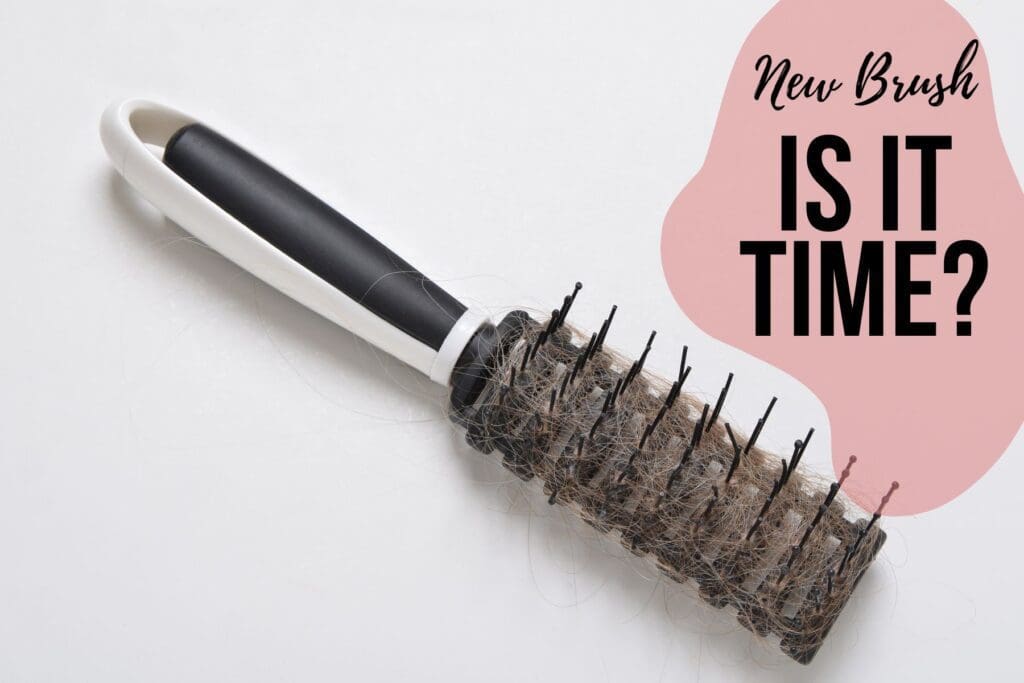
When Should You Get a New Hair Brush?

When Should You Get a New Hair Brush?In your hair care routine, your hairbrush is an essential tool. In addition to detangling and distributing your natural oils evenly, it also styles your hair. But how often should you replace your hairbrush? The answer depends on a few factors, including the type of brush you use, how often you use it, and how well you care for it.


What is the typical lifespan of a hair brush?

In general, you should replace your hairbrush every 6 to 12 months. This is because, over time, your hairbrush can become dirty, worn out, and ineffective.

It may be necessary to replace your hairbrush more frequently if you have fine or thin hair, as these types of hair are more prone to breakage. It may be possible for you to get away with replacing your hairbrush less frequently if you have thick or curly hair.


Why do I need to replace my hairbrush?

Is Conditioner Bad For Hair?

conditioner hair loss

Most people believe conditioner is a harmless product for their hair. This is true – unless the product is misused.

How Does Conditioner Cause Hair Loss In Your Growing Hair?

Properly using any product is key to achieving the desired results, but it is the incorrect use of a product that can have undesirable effects. Conditioner is specifically designed to be used on the mid-shafts to ends of hair, where hair is most damaged and in need of the most moisture. Most people are applying conditioner very similar to how they apply shampoo. This means that the conditioner is getting directly onto the scalp, and this, in combination with improper rinsing, can lead to build-up and long-term hair loss. Why is that? Because most conditioners have some form of oil in them, so if you already have a problem with oily hair or an oily scalp, adding the conditioner onto the scalp can only contribute more to the issue of excessive oiliness and lead to some very undesirable effects such as:

  1. Scalp itch
  2. Oily dandruff
  3. Excessive hair shedding

3 Keys To Proper Conditioner Use

  1. Emulsify the conditioner – After squirting the conditioner into your wet hands, and BEFORE placing it onto hair, rub the product together in your hands, emulsifying the product before working it through the mid-shafts to ends.


  1. Less is more – You don’t need a lot! We repeat! You DON’T need a lot. Remember you are only placing conditioner on the mid-shafts of your hair to the ends. If your hair is 8-10” long, you really only need about a nickle sized amount of conditioner. You can always add a little more, but more is not always better.


  1. Mid-Shafts to ends – The first 2-3 inches of your growing hair is the healthiest hair. That hair is not in need of extra moisture. Focus your conditioner use on the mid-shaft (middle of hair) to the ends as this is where hair needs the most help. An easy way to do this if you have long hair is to pull hair over one shoulder and gently massage it into the hair from mid-shaft to ends.

How Does Conditioner Cause Hair Loss In Your Hair Addition?

In the video above, we show the inside of an actual hair addition. The white spots that are seen on the inside is the build-up of conditioner that has been placed at the base of the hair addition instead of ONLY at the mid-shaft to ends. Conditioner should NEVER be used at the base of the hair addition.

When conditioner gets onto the nylon base of a hair addition, it begins to build up, and because it is almost impossible to get the conditioner out once built up, it ultimately causes hair loss in three ways:

  1. When the conditioner is wet and built up at the base, it can cause the hand-tied knots to become loose or slip, causing normal brushing to cause hair to come out at the knot.
  2. When the conditioner gets into the base of hair addition and then becomes dry and hardens, it can cause the hair to break over normal brushing or styling.
  3. Then there is the dreaded itch! Conditioner is defiantly not good for the scalp. It contributes to excessive oil on the scalp, and excessive oil is the #1 cause of itch. Often times the white areas in the video are exactly where the guest is itching, and that is exactly where they begin to notice holes or missing hair in their hair addition.

Discover the Health of Your Hair & Scalp

Statistics show 84% of women and 58% of men use conditioner. Are you using conditioner?  Do you have hair shedding,  oily hair/scalp, itch, or dandruff? Maybe you are using conditioner the wrong way. Or maybe there is more to the health of your hair and scalp.

Our exclusive ScalpCheck gives you an in-depth analysis designed to help determine the health of your hair and scalp. This allows us to customize a hair and scalp care protocol based on your specific needs. Ultimately treating sleep-related hair scalp problems and helping you have beautiful, healthy hair and scalp for years to come.

hairscalp

5 Hair Strengthening Tips You Should Be Using

Whether you have your natural hair, colored or processed hair, a wig, hairpiece or extensions, all these hair types have one thing in common: they need to be strengthened on a regular basis. There are many ways to strengthen the hair, but without knowing the correct way to go about it, you can actually cause damage by overdoing it. Here are 5 tips to effectively strengthen your hair.

Protein Size Matters

Just like your body, your hair needs protein and other nutrients to stay healthy. Protein helps rebuild and strengthen hair strands, maintaining your hair’s health. Without enough protein in your hair, it will become damaged, with snags causing split ends. Hair processed for wigs and hairpieces can become depleted and will continue to lose protein without extra treatments. The protein your hair needs is a molecular size, which is very small, meaning that it can penetrate into the hair and stay there.

Keep Hair Regularly Moisturized to Avoid Permanent Damage

When your hair is in need of moisture, the cuticle rises. Once it does so, it doesn’t close down and there is nothing that can bring it back to its original state. Therefore, it’s important to prevent this from happening by maintaining the amount of moisture in your hair. Regular protein treatments can help with this, as well as conditioning clean hair.

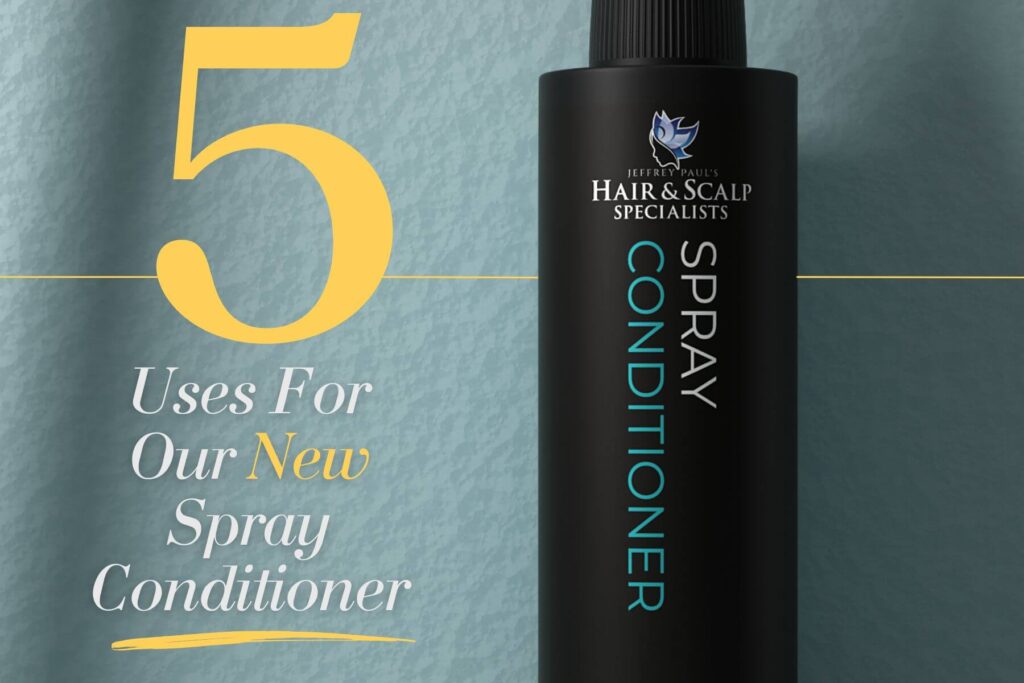
Spray Conditioner Coats the Hair Without Adding Weight

A coat of light spray conditioner in the morning can lubricate the hair without weighing it down. Leave in conditioner prevents the hair from tangling, which causes it from needing more moisture. Spray generously throughout the day, particularly in the morning as you’re beginning your day and in the evening as you’re winding it down, but also throughout the day as your hair becomes exposed to heat, cold or friction, for added protection.

Avoid Exposing the Hair to Friction to Avoid Breakage

The most common exposure to friction for your hair is your pillowcase. We recommend using a satin pillowcase, as its texture stops the friction against the cuticle. If you don’t have a satin pillowcase, wrap your hair in a silk scarf for the same effect. Other sources of friction include hats or caps that can be tough on hair, which weaken the hair when there’s too much direct contact with the material.

Comb Gently and Avoid Heat

Start from the bottom of the hair and work your way toward the scalp. You’ll want a quality comb or hairbrush, so avoid plastic to prevent your hair strands from being strained. Fiber-based brushes tend to work well against breakage. Avoid too much exposure to heat, as that can easily weaken the hair. Direct heat from hair dryers and styling tools are especially harmful, so opt for minimal heat.

Keep your hair looking beautiful everyday by giving it strength, elasticity and moisture. These tips can help you preserve your hair’s health. Want to continue maintaining your beautiful hair? Contact our team today!

5 Steps for Maintaining Beautiful Hair


The key to healthy, natural-looking hair is cleaning it to keep it fresh. To maintain your hair, you must clean it regularly. When washing your hair, you’ll want to be sure you don’t damage the hair along the way. 

Here are the 5 steps to showering to avoid damage to your hair. Follow these basic fundamentals to keep your hair looking luminous and clean.

1. Pre-Wash

To begin, you’ll want to remove tangles and knots from your hair. Using a brush and moisturizing detangler, rid your hair of snarls before getting it wet. This will prevent breakage down the line. Pay special attention to the ends of the hair and the nape area where friction is greatest. Next, you’ll pre-condition, distributing the product evenly throughout the hair. Once you’ve worked it in, rinse with lukewarm —not hot— water. Hot water dries out hair and strips it of the much-needed nutrients, and even color. Rinse out the conditioner in a waterfall-like motion to avoid damaging the hair. Don’t let the water hit the hair directly where it is tied to the base. Make sure all product has been removed from the hair before moving on.

2. Cleanse

Work in an appropriate amount of shampoo with lukewarm water. Comb the product into the hair with your fingers carefully to avoid creating knots. Rinse out the shampoo, again in a waterfall motion to avoid damage. Once again, you’ll want to keep the water from hitting the hair directly where it is tied to the base, and rinse out the product thoroughly. Use lukewarm water rather than hot because hot water causes color to fade by lifting the cuticle of the hair.

3. Rinse and Repair

Repairing hair ensures it is moisturized and prevents additional breakage. To repair your hair, apply a protein treatment, working the product from mid-strands to end. Do not rinse it out until the next step is applied, as repair continues. Next, you’ll want to apply an appropriate amount of moisturizing detangling conditioner to the hair, over where the protein treatment was placed. Using your fingers as a comb, distribute the product throughout your hair, avoiding the roots. Keep the treatment on for three minutes, then rinse with lukewarm water in a waterfall motion.

4. Towel Dry

With your hands, towel dry your hair, squeezing out all excess water carefully. Use a friction-free towel to blot out any remaining excess water. Using a blotting technique, move the towel around the entire surface of the hair to absorb moisture. Turn your head upside down and shake out any remaining water. This will put body back into the knots that secure the hair to the base. 

5. Post-Wash

To finish, you’ll want to re-secure your attachment. Press down around the outer perimeter of the hair replacement or extensions to re-secure the attachment. Hydrate your hair by spraying an appropriate amount of leave-in protein product. Use your fingers to work the product into the hair. This will hydrate your hair and make it easier to comb through. Keep your hair protected by spraying a liberal amount of moisturizing detangler and work it throughout your hair with your fingers. Keep your hair feeling refreshed throughout the day to avoid buildup with anti-bacterial spray or toner daily. 

Following these steps is the key to prolonging the life of your hair. Knowing how to moisturize, cleanse, rinse and dry your hair correctly prevents breakage and avoids damage, leaving you with healthy, beautiful hair. We want you to look natural, beautiful and feel like yourself. 

Schedule Your Consultation

Do you have more questions about what Jeffrey Paul’s Hair and Scalp Specialists can do for your hair? Click Here to Schedule Your Consultation.

How to Stay Warm This Winter Without Damaging Your Hairpiece

The cold weather has arrived, and with it, the need for heavy jackets, hats and scarves. Those blistering winds will have you wanting to keep every inch tucked away, and if you wear a hairpiece, this can present a unique challenge.

When your hair rubs against the back of your neck and another material, such as a wool scarf, it creates friction. Friction can unfortunately lead to hair breakage, split ends and frizziness. Breakage can result in hair tangling and even hair loss. Additionally, extreme temperatures, both too hot and too cold, can negatively impact your hairpiece.

Here at Jeffrey Paul Hair and Scalp Specialists, we want your hair to look healthy, glowing and beautiful all year round. Here’s how you can stay warm this winter, without causing damage to your hairpiece.

Silk Scarf

Silk scarves can provide warmth just as well as wool scarves, making them a great alternative for those who wear hairpieces. The material is smooth so they won’t cause friction, yet they preserve heat. Silk preserves the moisture in your hairpiece, to avoid drying out the hair. Wigs lose moisture when exposed to the cold, and silk helps to lock in the hydration.

Silk Hat

Silk can also be used to protect your hair from your warm winter hats. In addition to wool, cotton, acrylic and other coarse (but warm) fabrics can be detrimental to your hairpiece. The good news is you can still wear them if you line the interior with silk or satin. Just like with the scarf around your neck damaging your hair from underneath, hats can damage the hair at the top of your head. To preserve your hairpiece, simply sew the silk or satin material into your favorite winter hat. This will also limit your hair’s exposure to the cold temperatures, protecting it against the damage caused by wind and snow.

Moisturize

It’s also important to moisturize your hairpiece during the winter months, to combat the brutal temperatures outside. This can be done by deep conditioning your wig or using products like a hair mask. Another way to maintain the moisture in your wig is by limiting the use of straighteners, curling irons and blow dryers. However, it’s also important to note that you should never go outside in freezing temperatures with your wig when it’s still wet. The hair can freeze, which can cause it to break more easily.

Hair care during the winter months is crucial to making your hairpiece last. A hairpiece made from human hair needs just as much care as your natural care to protect it against cool winter temperatures. Hair maintenance is key to keeping your wig’s shape, thickness and look intact during this time of year.

Schedule Your Consultation Today!

Do you wear a hairpiece, wig or hair extensions, or are you experiencing hair loss? You’re not alone. Click here to schedule your free consultation today. A member of our team will learn more about your condition and help you find a solution.

5 – Things You Should Know About Your Shampoo

There are hundreds if not thousands of options of shampoos available to consumers today. The fancy packaging, crafty marketing lingo and claims may give you the feeling that what you are using is right for your hair and scalp. But is it? Do you really know if your shampoo is helping, hurting or contributing to a hair or scalp issue? Here are 5 – things you should know about your shampoo:

1. Looks can be deceiving… 

The back of the bottle is more important

The fancy packaging, crafty marketing words and claim on the front of the bottles may give you the feeling that what you are using is right for your hair and scalp. The  key to the right shampoo is not how pretty the front of the bottle, It’s what inside, the ingredients, that makes all the difference to your hair and scalp!

2. How often matters…

You Should Be Shampooing Every Day

That’s right… every day! The key is every day with the RIGHT type of shampoo which should contain a mild detergent in it designed to help keep oil and hydration of the scalp and hair in a balanced state. If you feel your shampoo would dry your hair out if you used it each day, you have the wrong shampoo.

3. It’s $3 for a reason…

There Is A Reason It Is So Cheap

Ingredients, ingredients, ingredients! Shampoos that cost $3 contain ingredients that are either a majority of water (so you have to use more to get a result) or are inexpensive and ineffective. High quality ingredients make a world of difference for your hair and scalp.

4. How much is important…

Too Much Or Too Little Can Lead To Problems

More product is not always better. The more product you use the more it takes to rinse it out, and the greater likelihood of product buildup. Similarly, using too little of the product will not achieve the desired results. Oh, and don’t forget to emulsify the product in your hand before working into your hair.

5. Shampoo is not the cure-all…

It’s Only On Your Head for About 1-Minute

Shampoo is not designed to fix the root issues of dandruff, excessive scalp itch, oily hair, or hair loss and hair thinning. It can help with symptoms, but to really help lessen or eliminate these issues you need to discover the health of your hair and scalp.


Now, the real question is…how healthy is your scalp?


What Is ScalpCheck®

WKYC

If you suffer from dandruff, excessive scalp itch, hair loss or thinning and oily hair, you’re not alone. Most people experience some degree of one or all of them. Don’t self-diagnose your own hair and scalp problems. ScalpCheck™ will reveal the true reason and help you put those issues behind you.

Our experts are trained in trichology, the study of the hair and scalp, and use ScalpCheck™ to  reveal the root cause of people’s conditions.

Recently, WKYC ran a special report by Senior Health Correspondent Monica Robins, who too was concerned about her itchy scalp and the hair loss she was experiencing. In the video above, she will take you through the ScalpCheck™ experience.

Are You Protecting Your Hair While You Sleep?

Tangles and snarls and bed head – what a nightmare! While your body desperately needs sleep, one of the worst things for your hair and your hair replacement system is sleeping on it. Fortunately, I’m here to help. Watch my video above and follow these beauty tips to protect your hair before settling in for your beauty sleep:

  1. Sleep with a satin pillowcase. Whether you realize it or not, you move throughout the night and using a satin pillowcase prevents friction.
  2. Before going to bed, spray my Beautiful Hair Spray Conditioner onto hair and gently distribute with a wet brush, paddle brush, or vent brush.
  3. When you wake up, spray water onto your hair because all of the Beautiful Hair and Aquage products are reactivated with water.