Why Is My Hair Falling Out More Than Usual? 7 Common Causes of Hair Shedding

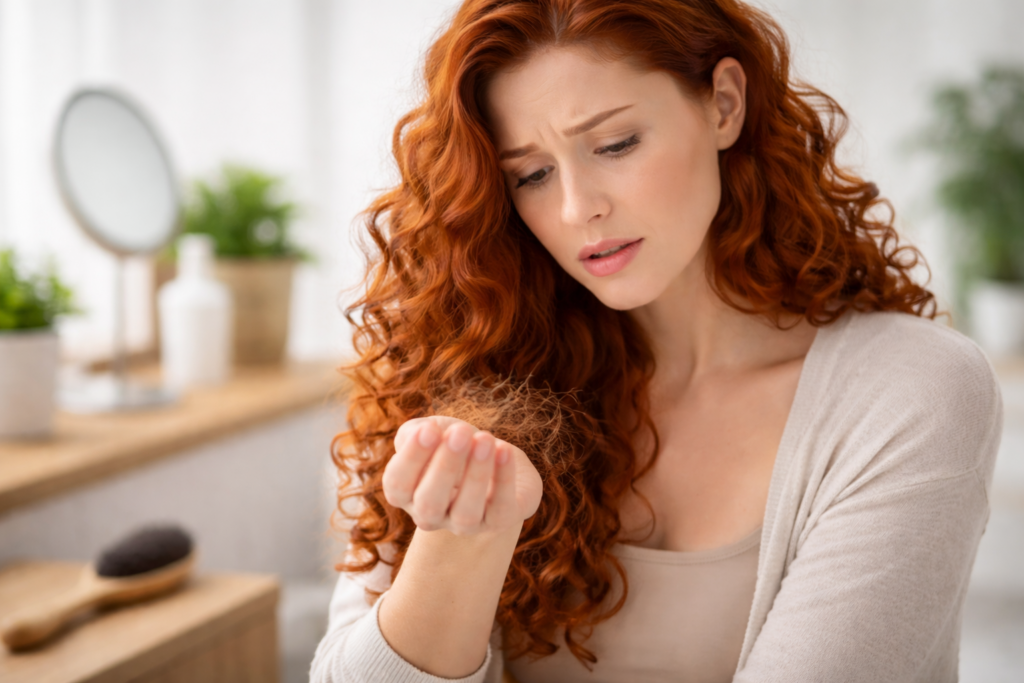
Woman with red curly hair looking at hair shedding in her hand

If you’ve recently noticed more hair in your brush, shower drain, or on your pillow, you’re not alone. Many people go through periods where their hair seems to shed more than usual, and it can quickly become concerning.

The reality is that some hair shedding is completely normal. However, when the amount of shedding suddenly increases or continues longer than expected, it may be a sign that something is affecting the natural hair growth cycle.

If shedding continues or you begin to notice thinning areas, exploring hair loss solutions in Cleveland may help you better understand what options are available.

Understanding the most common causes of hair shedding can help you determine whether what you’re experiencing is temporary—or whether it may be time to take a closer look at your scalp health.
Why Consistency Matters When Treating Hair Shedding

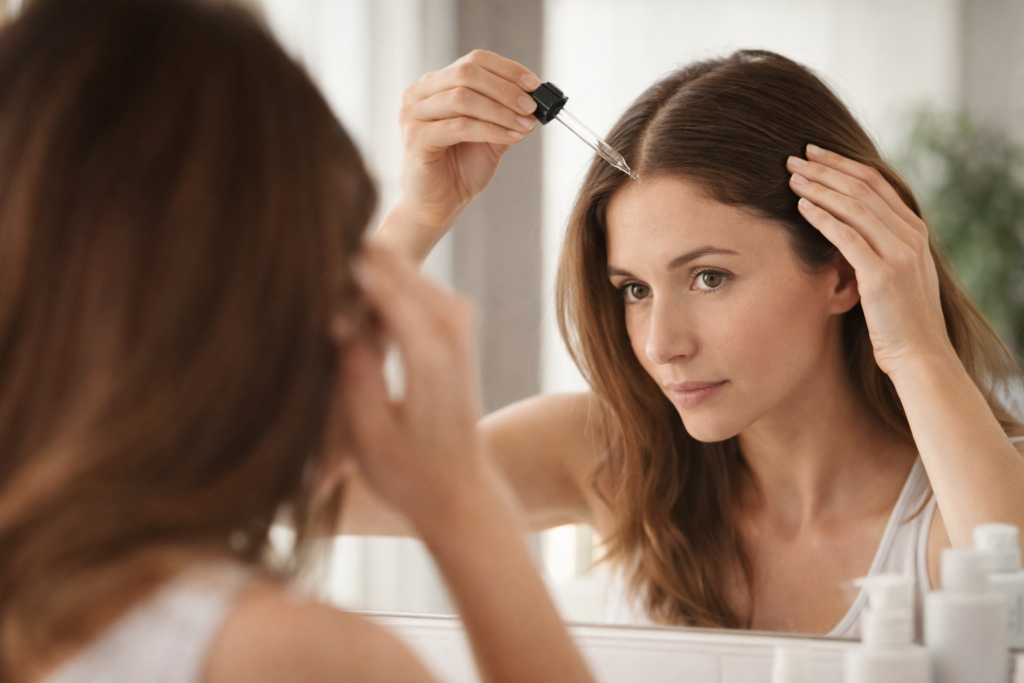
Woman applying scalp treatment as part of a consistent hair shedding treatment routine

When people notice increased hair shedding, their first instinct is often to look for a quick fix. But the truth is that most effective hair and scalp treatments work best when they are used consistently over time.

Whether you are using scalp treatments, targeted home care, or supportive products like hair growth patches, consistency plays a major role in helping the hair cycle stabilize and recover.

Understanding the Hair Growth Cycle

Hair does not grow continuously. Each strand moves through a cycle that includes a growth phase (anagen), a resting phase (telogen), and eventually a shedding phase. When the balance of this cycle is disrupted, you may notice more hair shedding than usual.

Ozempic, Wegovy & Hair Thinning in Women: What’s Really Happening (And What You Can Do About It)

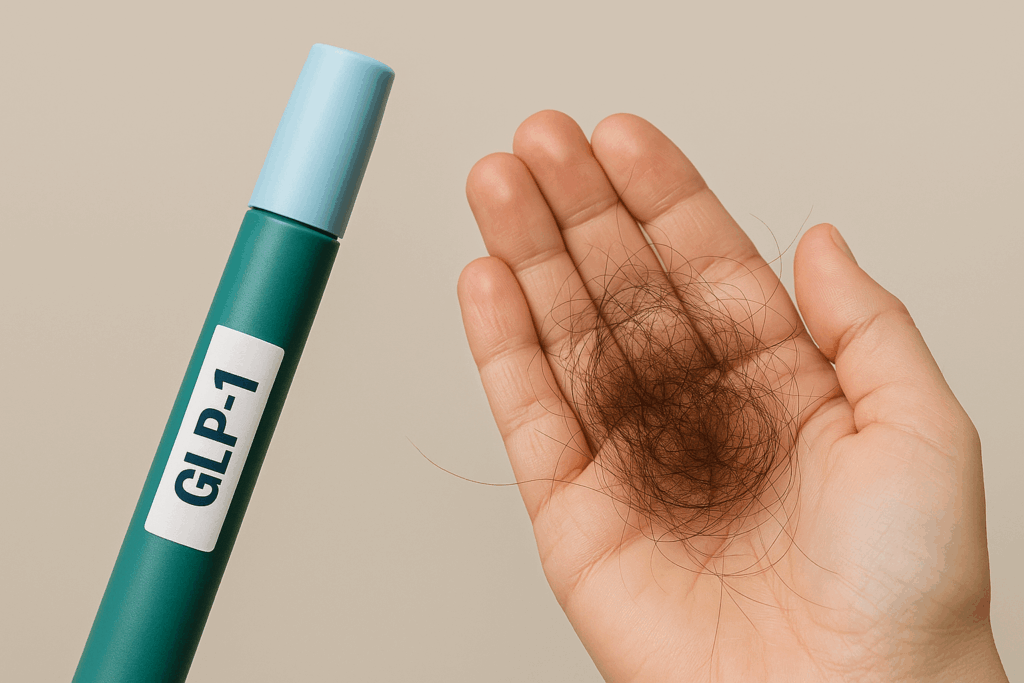
GLP-1 weight-loss injection pen beside a hand holding shedding hair, illustrating hair thinning associated with rapid weight loss.GLP-1 weight-loss medications like Ozempic®, Wegovy®, and Mounjaro® have changed lives. But as more women begin or complete their weight-loss journeys, one unexpected concern keeps coming up:“Why am I losing hair?”

Hair thinning is not an official side effect of GLP-1 drugs, but that does not mean it is not happening. In fact, many women notice:

  • Extra shedding in the shower
  • A widening part
  • Thinner ponytails
  • More visible scalp
  • Hair that feels weaker or grows back finer

The good news: Most GLP-1–related hair loss is indirect and often reversible. But in some cases, thinning can progress into visible loss that benefits from early intervention or cosmetic solutions.

Let’s break down why it happens and what you can do to protect and restore your hair.

Does Alcohol Cause Hair Loss? Understanding the Real Connection Between Drinking and Hair Health

close-up of a man washing his hair in the shower, symbolizing healthy scalp care and prevention of hair lossWhen most people think about hair loss, alcohol doesn’t usually make the list of causes. But while alcohol itself doesn’t directly cause hair loss, the effects it has on your body — from disrupting sleep to depleting nutrients — can absolutely affect the health of your scalp and hair. Let’s explore what’s really happening beneath the surface.
1. Stress and Cortisol: The Hidden Connection

Stress is one of the most common internal triggers of hair loss. According to Harvard Health, elevated cortisol levels can push hair follicles into a resting phase — a process known as telogen effluvium — where shedding occurs more easily. When this happens repeatedly, it can lead to visible thinning across the scalp. High stress also disrupts hormone balance and scalp oil production, often resulting in increased itch, dandruff, or inflammation that further weakens hair growth.

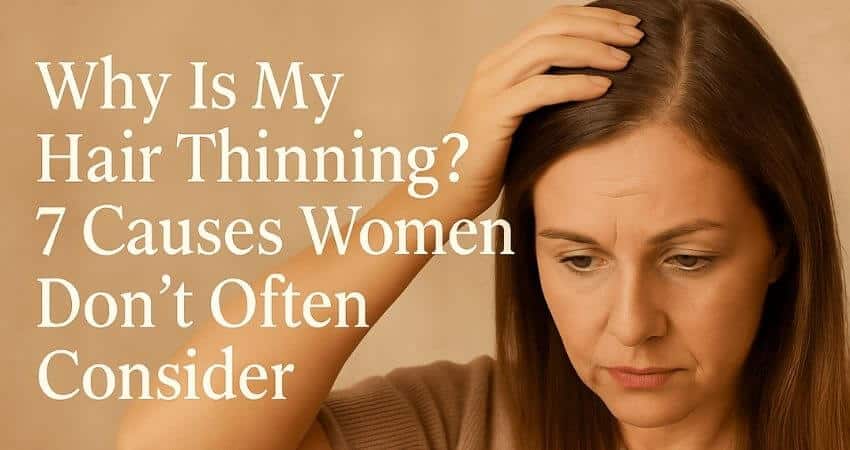
Why Is My Hair Thinning? 7 Causes Women Don’t Often Consider

A concerned woman examining her thinning hair at the scalp—reflecting the emotional toll of hair loss and the need for compassionate, expert hair loss solutions in Cleveland.

Hair loss can feel overwhelming—especially if you’re searching for hair loss solutions in Cleveland and keep finding contradictory advice online.  If you’ve noticed more strands in your brush or a widening part, you’re not alone. Studies show up to 40 percent of women experience noticeable hair loss by age 50[1].

At our Cleveland center, every journey starts with ScalpCheck®, a trichology-based analysis that reveals what’s happening beneath the surface of your scalp. Below are seven often-overlooked reasons for thinning—plus how improving your scalp health and choosing the right hair loss solutions can make all the difference.

Seasonal Hair Shedding: What’s Normal and How to Manage It

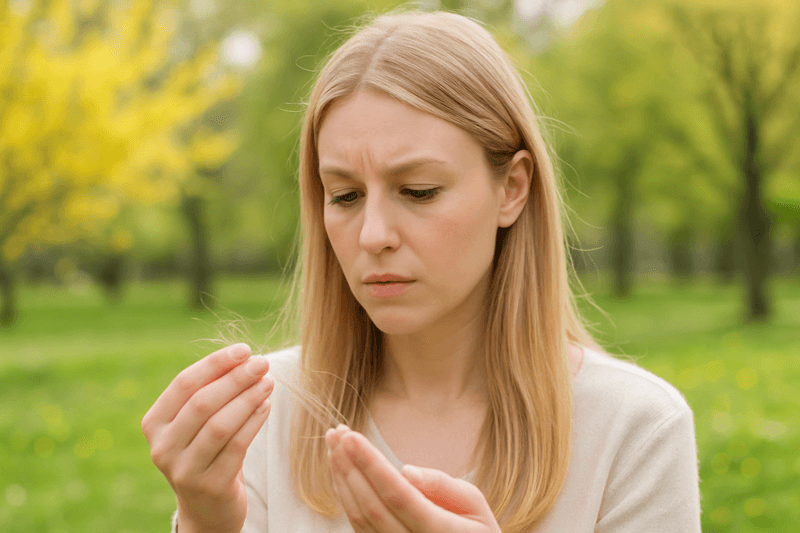
Woman noticing hair shedding in her hand during spring seasonal hair shedding

Have you noticed more hair in your brush, shower drain, or on your pillow during certain times of the year? You are not alone. Seasonal hair shedding is a real and common experience, especially during the spring and fall months.

For many people, this increase in shedding is temporary. But in some cases, what looks like seasonal shedding may actually be a sign of an underlying scalp or hair-loss issue. Knowing the difference is important, and that starts with understanding what is normal, what is not, and when it is time to take a closer look.

Is Seasonal Hair Shedding A Real Thing?

With fall approaching, you may start to notice an increase in hair shedding. Is this normal seasonal hair shedding, or a sign that points to bigger problems?

As the summer comes to an end and the fall months fast approach, so, too, does seasonal hair shedding. Seeing more hairs than normal on your hairbrush, on the bathroom floor or in the shower can leave the average man or woman in a bit of a panic. Is this kind of hair loss normal? Should you be concerned?

We shed an average of 80 to 100 hairs every day. This is considered normal, healthy hair shedding. These hairs that are shed are not lost. Instead, they are going through a cycle of growth, transition and then rest, when hairs release and are shed, before the process repeats. During certain times of the year, you may notice an increase in shedding, especially in the late fall months. This common phenomenon is known as seasonal shedding.