Ozempic, Wegovy & Hair Thinning in Women: What’s Really Happening (And What You Can Do About It)

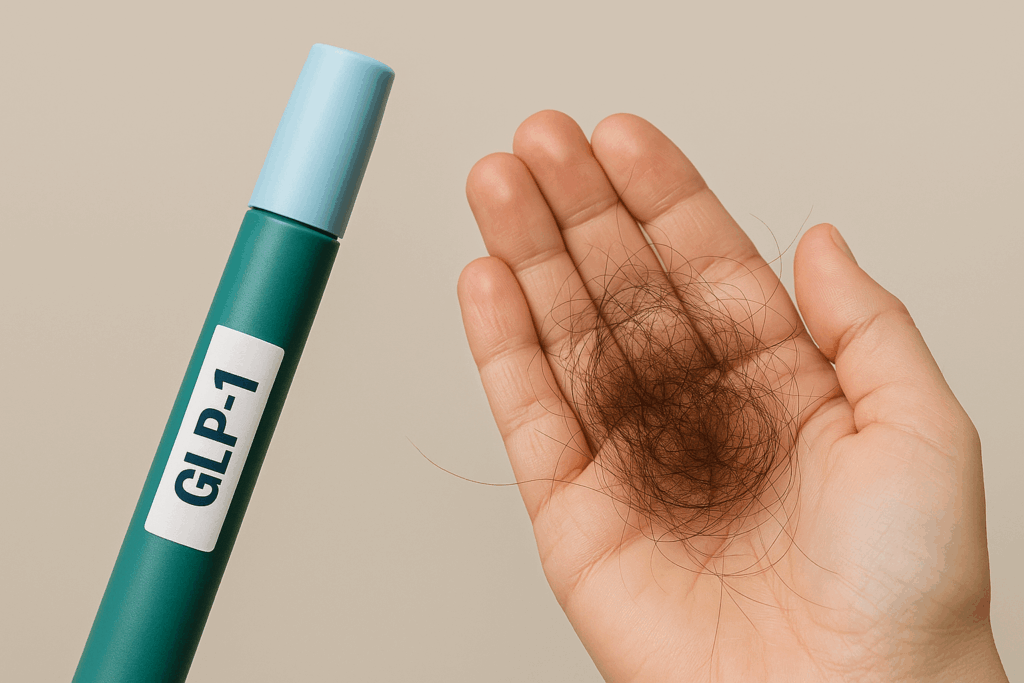
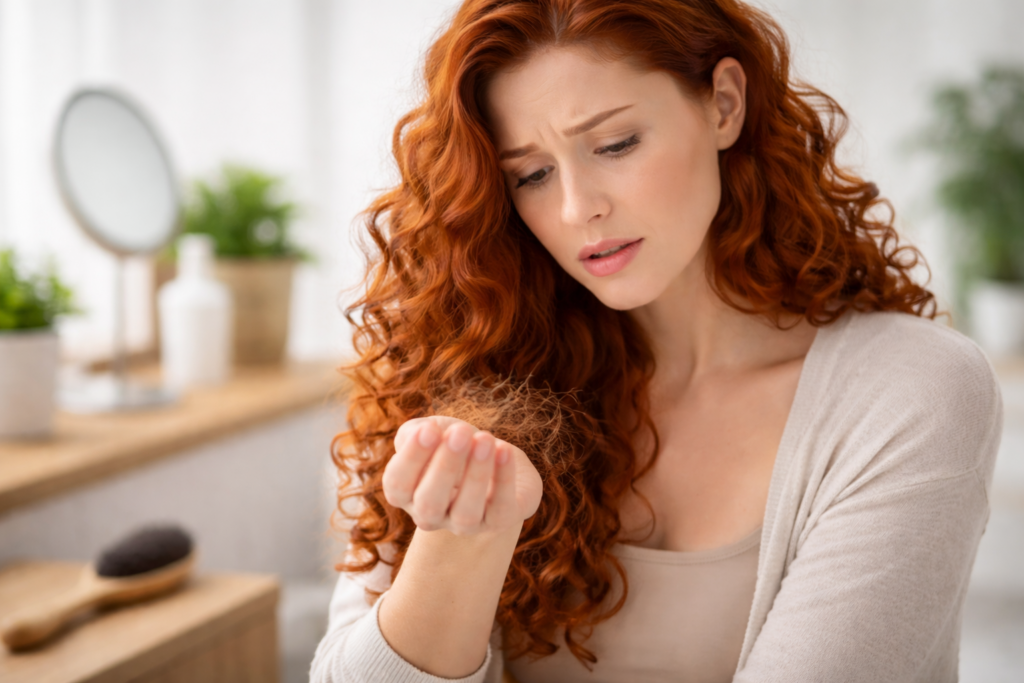
GLP-1 weight-loss injection pen beside a hand holding shedding hair, illustrating hair thinning associated with rapid weight loss.GLP-1 weight-loss medications like Ozempic®, Wegovy®, and Mounjaro® have changed lives. But as more women begin or complete their weight-loss journeys, one unexpected concern keeps coming up:“Why am I losing hair?”

Hair thinning is not an official side effect of GLP-1 drugs, but that does not mean it is not happening. In fact, many women notice:

  • Extra shedding in the shower
  • A widening part
  • Thinner ponytails
  • More visible scalp
  • Hair that feels weaker or grows back finer

The good news: Most GLP-1–related hair loss is indirect and often reversible. But in some cases, thinning can progress into visible loss that benefits from early intervention or cosmetic solutions.

Let’s break down why it happens and what you can do to protect and restore your hair.

Can Stress Hormones Like Cortisol Cause Hair Loss? Here’s What Really Happens to Your Scalp

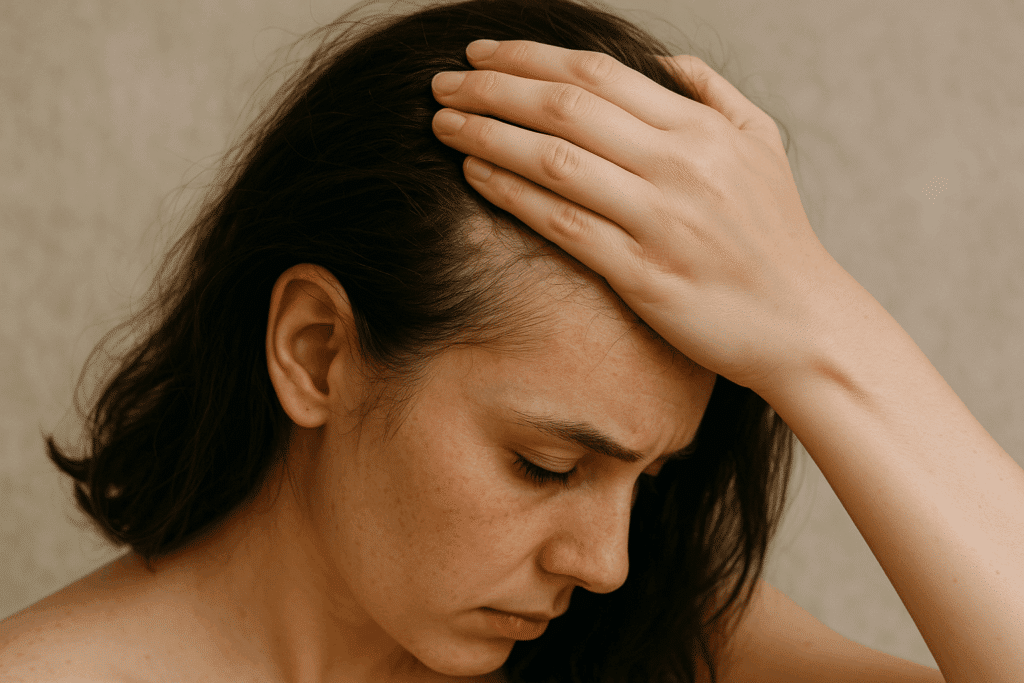
Close-up of a woman gently touching her scalp, symbolizing stress-related scalp sensitivity caused by elevated cortisol levels. The image represents how chronic stress hormones can affect scalp health and hair growth.

Most people understand that stress can affect their body — tight shoulders, poor sleep, or changes in appetite — but few realize it can also impact the scalp.
We see this connection every day. When cortisol (the body’s main stress hormone) remains elevated for too long, it can disrupt the normal function of the scalp and hair follicles.

Cortisol is essential in short bursts — it helps your body respond to immediate challenges. But when life stress becomes chronic, so does cortisol. That imbalance changes how your body distributes energy and nutrients, leading to scalp irritation, shedding, and weaker regrowth over time.

Let’s explore exactly how this happens — and how a trichological scalp analysis can help restore balance and healthier hair.

Does Alcohol Cause Hair Loss? Understanding the Real Connection Between Drinking and Hair Health

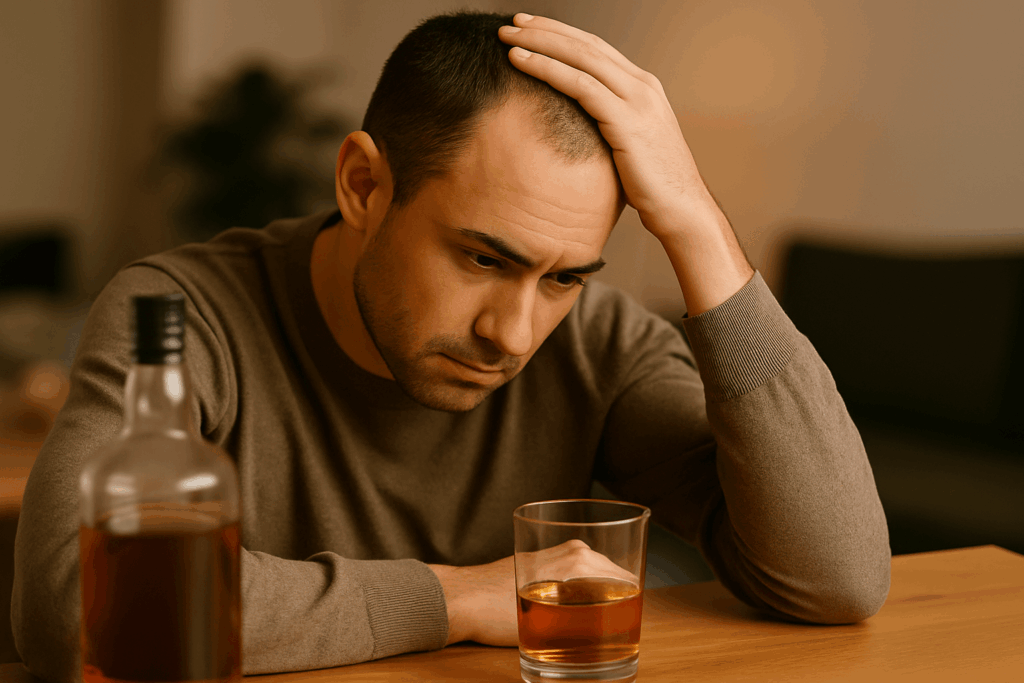
close-up of a man washing his hair in the shower, symbolizing healthy scalp care and prevention of hair lossWhen most people think about hair loss, alcohol doesn’t usually make the list of causes. But while alcohol itself doesn’t directly cause hair loss, the effects it has on your body — from disrupting sleep to depleting nutrients — can absolutely affect the health of your scalp and hair. Let’s explore what’s really happening beneath the surface.
1. Stress and Cortisol: The Hidden Connection

Stress is one of the most common internal triggers of hair loss. According to Harvard Health, elevated cortisol levels can push hair follicles into a resting phase — a process known as telogen effluvium — where shedding occurs more easily. When this happens repeatedly, it can lead to visible thinning across the scalp. High stress also disrupts hormone balance and scalp oil production, often resulting in increased itch, dandruff, or inflammation that further weakens hair growth.

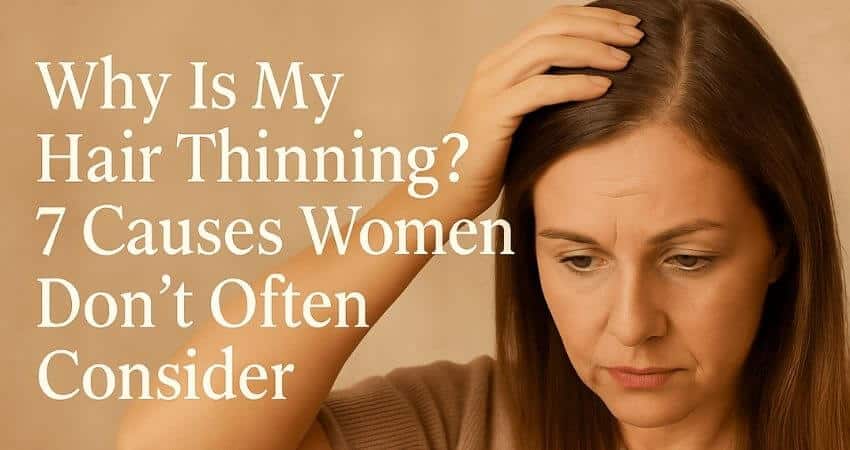
Why Is My Hair Thinning? 7 Causes Women Don’t Often Consider

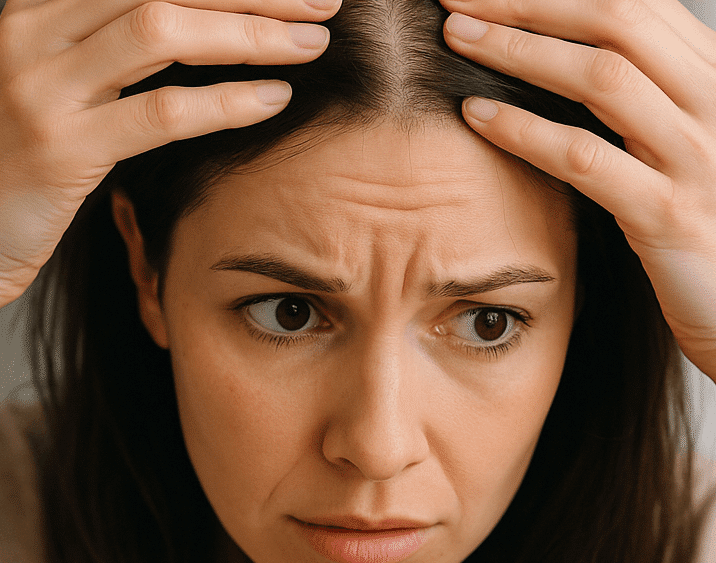
A concerned woman examining her thinning hair at the scalp—reflecting the emotional toll of hair loss and the need for compassionate, expert hair loss solutions in Cleveland.

Hair loss can feel overwhelming—especially if you’re searching for hair loss solutions in Cleveland and keep finding contradictory advice online.  If you’ve noticed more strands in your brush or a widening part, you’re not alone. Studies show up to 40 percent of women experience noticeable hair loss by age 50[1].

At our Cleveland center, every journey starts with ScalpCheck®, a trichology-based analysis that reveals what’s happening beneath the surface of your scalp. Below are seven often-overlooked reasons for thinning—plus how improving your scalp health and choosing the right hair loss solutions can make all the difference.

Seasonal Hair Shedding: What’s Normal and How to Manage It

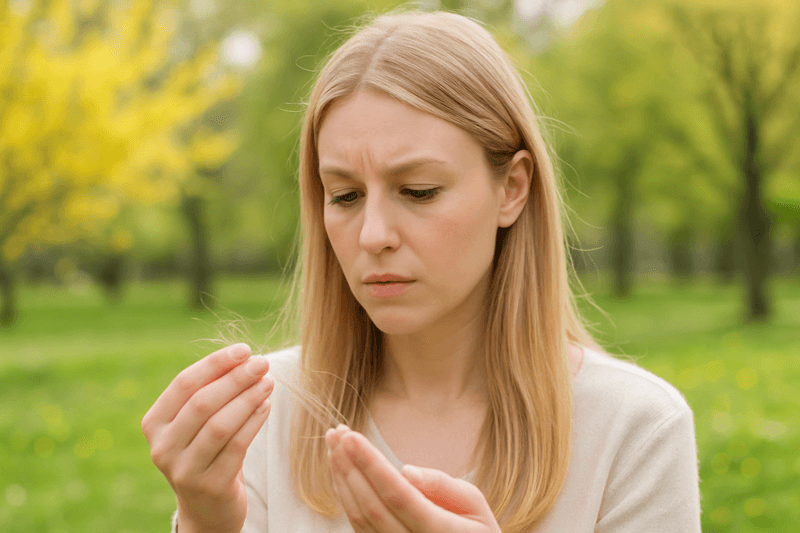
Woman noticing hair shedding in her hand during spring seasonal hair shedding

Have you noticed more hair in your brush, shower drain, or on your pillow during certain times of the year? You are not alone. Seasonal hair shedding is a real and common experience, especially during the spring and fall months.

For many people, this increase in shedding is temporary. But in some cases, what looks like seasonal shedding may actually be a sign of an underlying scalp or hair-loss issue. Knowing the difference is important, and that starts with understanding what is normal, what is not, and when it is time to take a closer look.

Is My Hair Loss Reversible? Here’s What You Need to Know

Woman experiencing hair loss checking for reversibility

Hair loss can feel overwhelming, but the good news is that in many cases, it’s treatable—and sometimes reversible. Whether you’re dealing with sudden shedding or gradual thinning, understanding the root cause is the first step toward recovery.

At Jeffrey Paul’s Hair & Scalp Specialists, we help clients uncover what’s really going on with their hair and scalp so they can make confident, informed decisions. Here’s what you need to know.

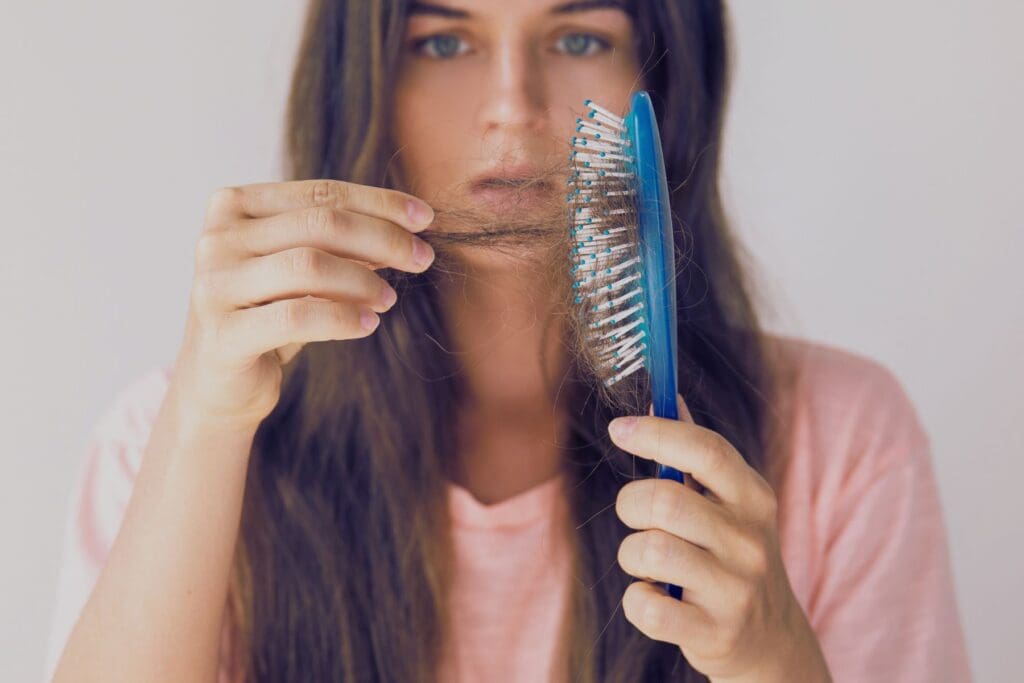
Is Brushing My Hair Causing Hair Loss?

Is brushing my hair causing hair loss?

Brushing your hair is a part of your daily routine, but can it also cause hair loss? The answer is yes, in some cases.

How much hair is normal to lose when brushing?

Is Hair Loss Caused by Brushing? Let’s start by saying that it’s normal to lose 80-100 hairs a day. They’ll grow back because this is the normal life cycle of a hair follicle. You’ll lose most of the 80-100 hairs when you brush or shampoo. However, if you are losing more than 100 hairs per day, noticing bald patches on your scalp, or seeing a lot of short hairs, it is possible that brushing your hair is causing hair loss.

How brushing can cause hair loss?

Can A Lack of Sleep Affect Hair Loss?

Can a good night of sleep help prevent hair loss and ultimately create healthier hair?

The importance of sleep for our health cannot be overstated. In addition to improving our physical and mental health, a good night’s rest aids in enhancing our moods, creating a healthier heart, controlling weight, and strengthening our immune systems. Consistent sleep patterns can also make all the difference between having healthy hair or continuing to lose it.

Here are two main ways sleep directly affects our hair:

Did Covid Cause My Hair Loss?

There has been an influx of hair loss after testing positive for Covid. We help answer the big question…


November through January, the United States had an incredible resurgence of Covid cases. Since then, there has been an increased awareness of individuals claiming that after testing positive for Covid, they see thinner hair, increased shedding, and a change in hair texture or feel. So is there a direct correlation between testing positive for Covid and experiencing hair loss?

The answer is not an easy one.

The direct answer is no. Hair loss has not been directly linked as a side effect of having Covid, nor has it been listed as a symptom of Covid. That said, experiencing hair loss after testing positive for Covid is happening, but not the way we think. It is not Covid that is causing hair loss, but rather the stress that Covid places on the body, in combination with the already increased levels of daily stress that everyone is currently facing. This is known as Telogen Effluvium.


Stress affects the body in many ways – One way is hair loss.

Does Holiday Stress Cause Hair Loss?

The holidays are a special time of year, but the stress they can add may increase hair shedding. Is this normal or a sign that points to more significant problems?

The holidays are fast approaching, and along with them come the joys of the season like glad tidings, great food, and time spent with family & friends. Unfortunately, one unforeseen effect of the holiday season is the added stress that they can cause, and for some individuals, this can lead to stress-related hair loss.

Stress can be one of the hairs’ biggest enemies. They explain that as our body reacts to stress, our adrenal glands produce cortisol, AKA “the stress hormone.” Individuals in a constant state of stress may have chronically elevated cortisol levels, leading to health issues like adrenal fatigue. A fatigued adrenal gland does not work as efficiently and can alter the production of other hormones, like DHT.  Increased DHT levels directly affect hair follicles and their growth cycle, even leading to hair loss.

Fall Related Hair Loss

With fall approaching, you may start to notice an increase in hair shedding. Is this normal seasonal hair shedding or a sign that points to more significant problems?

As the summer comes to an end and the fall months fast approach, so, too, does seasonal hair shedding. Seeing more hairs than usual on your hairbrush, on the bathroom floor, or in the shower can leave the average man or woman in a bit of a panic. But is this kind of hair loss typical? Should you be concerned?

We shed an average of 80 to 100 hairs every day. This is considered normal, healthy hair shedding. These hairs that are shed are not lost. Instead, they go through a cycle of growth, transition, and then rest, when hairs release and are shed, before the process repeats. As a result, you may notice an increase in shedding during certain times of the year, especially in the late fall months. This common phenomenon is known as seasonal shedding.

The One Product You Need This Summer


Summer is in full swing! That means beach, pool, and ocean visits. But what is all that sun, chlorine, and saltwater doing to your hair? In a word – Damage!

Everyone is always looking for that one product that can be used to make hair look and feel great. Does it really exist? The product that decreases static or frizzy hair. The product that can give more shine or enhance the color of the hair. The product that reduces or eliminates the nuisance of tangles in the hair. The product that does not weigh hair down but rather leaves hair feeling soft with great body. The product that helps to repair damaged feeling hair. If we could find that one product that does it all, that would be the product that would change our hair for good. Ultimately, you are looking for “liquid gold.”

Does Liquid Gold Exist?

That product – Liquid Gold – exists! The one product that, when used properly, will do all the things you have always wanted, including:

  • Decrease static and fizziness in hair
  • Reduce or eliminate the nuisance of tangles in the hair
  • Enhance shine and color of hair
  • Give hair body and soft feeling without adding weight to it
  • Repair damaged feeling hair

So what is that one product? Protein Treatment.

Spring Hair Shedding

Spring is here – flowers and trees are beginning to bloom, but your hair might be starting to fall. Is this normal seasonal hair shedding or a sign that points to more significant problems?
As the winter comes to an end and the spring months fast approach, so too does seasonal hair shedding. Seeing more hairs than usual on your hairbrush, on the bathroom floor, or in the shower can leave the average man or woman in a bit of a panic. Is this kind of hair loss typical? Should you be concerned?

We shed an average of 80 to 100 hairs every day. This is considered normal, healthy hair shedding. These hairs that are shed are not lost. Instead, they are going through a cycle of growth, transition, and then rest, when hairs release and are shed, before the process repeats. During certain times of the year, you may notice an increase in shedding, especially in the late fall months. This common phenomenon is known as seasonal shedding.

The exact cause of seasonal shedding is unclear, but studies show that seasonal loss affects more women than men and occurs most often during the spring months, like April and May, and sometimes in the fall, September and October.

If you have been properly maintaining your hair and scalp, seasonal shedding usually is not a cause for concern. With time, shedding should stabilize back to normal daily levels, and average hair growth will continue. However, if you have not been correctly caring for your hair and scalp’s specific needs, you could be experiencing symptoms similar to seasonal shedding, which can lead to long-term hair loss.

Does Covid-19 Cause Hair Loss?

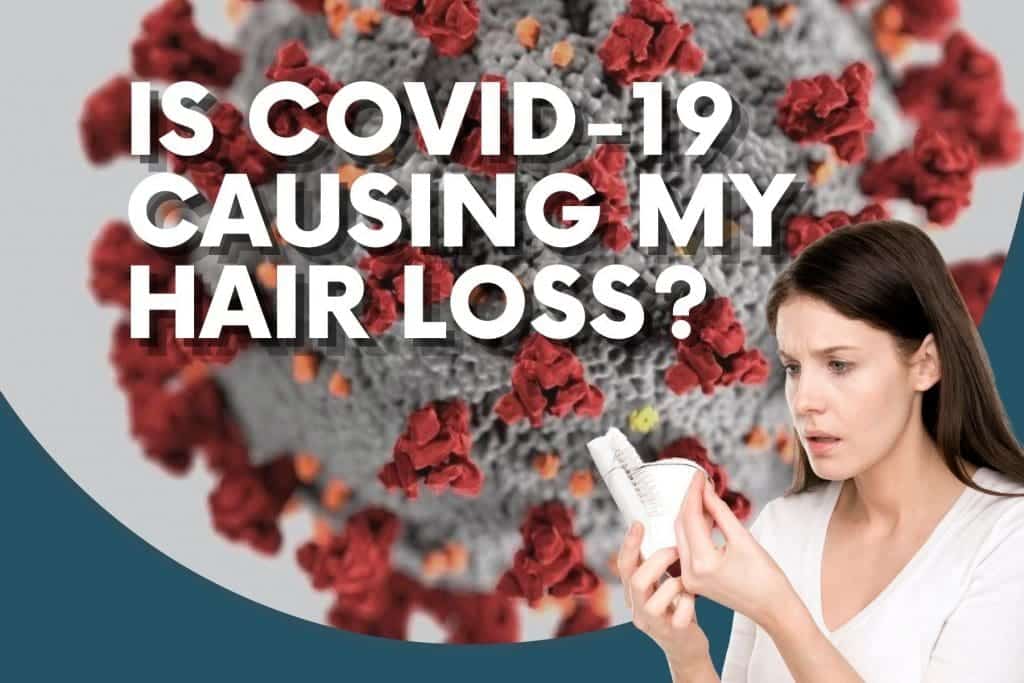
We can all agree that 2020 has been a crazy year! More and more individuals are complaining of an increase in hair loss and hair shedding. Due to the increased numbers of people being infected by Covid-19 and the addition of potential symptoms related to Covid-19, the question now becomes – “Does Covid-19 cause hair loss?”

The answer – no…but also Yes!

Huh?!? That doesn’t make much sense. So are you saying, “No, Covid-19 doesn’t cause hair loss, or yes, it does?

We are saying both. No, hair loss is not a direct symptom of Covid-19. However, over the last six months, we have seen a record number of job losses, increased medication usage, poor diets, and decreased physical activity, all of which have contributed to an unprecedented level of stress due to the onset of Covid-19. This increased level of stress from Covid-19 is now significantly contributing to individuals noticing increased shedding in the shower drain, bathroom floor, or brush.

To help you better understand how the increased levels of stress from Covid-19 affect our hair, we must first understand the basics of hair growth.

Is Seasonal Hair Shedding A Real Thing?

With fall approaching, you may start to notice an increase in hair shedding. Is this normal seasonal hair shedding, or a sign that points to bigger problems?

As the summer comes to an end and the fall months fast approach, so, too, does seasonal hair shedding. Seeing more hairs than normal on your hairbrush, on the bathroom floor or in the shower can leave the average man or woman in a bit of a panic. Is this kind of hair loss normal? Should you be concerned?

We shed an average of 80 to 100 hairs every day. This is considered normal, healthy hair shedding. These hairs that are shed are not lost. Instead, they are going through a cycle of growth, transition and then rest, when hairs release and are shed, before the process repeats. During certain times of the year, you may notice an increase in shedding, especially in the late fall months. This common phenomenon is known as seasonal shedding.